Take a look at the Pauley Creek Fly Fishing Guide
Take a look at our updated Pauley Creek Fishing Guide. Review this before your Summer trip to Downieville and the Lost Sierra.
The Pauley Creek Fishing Guide

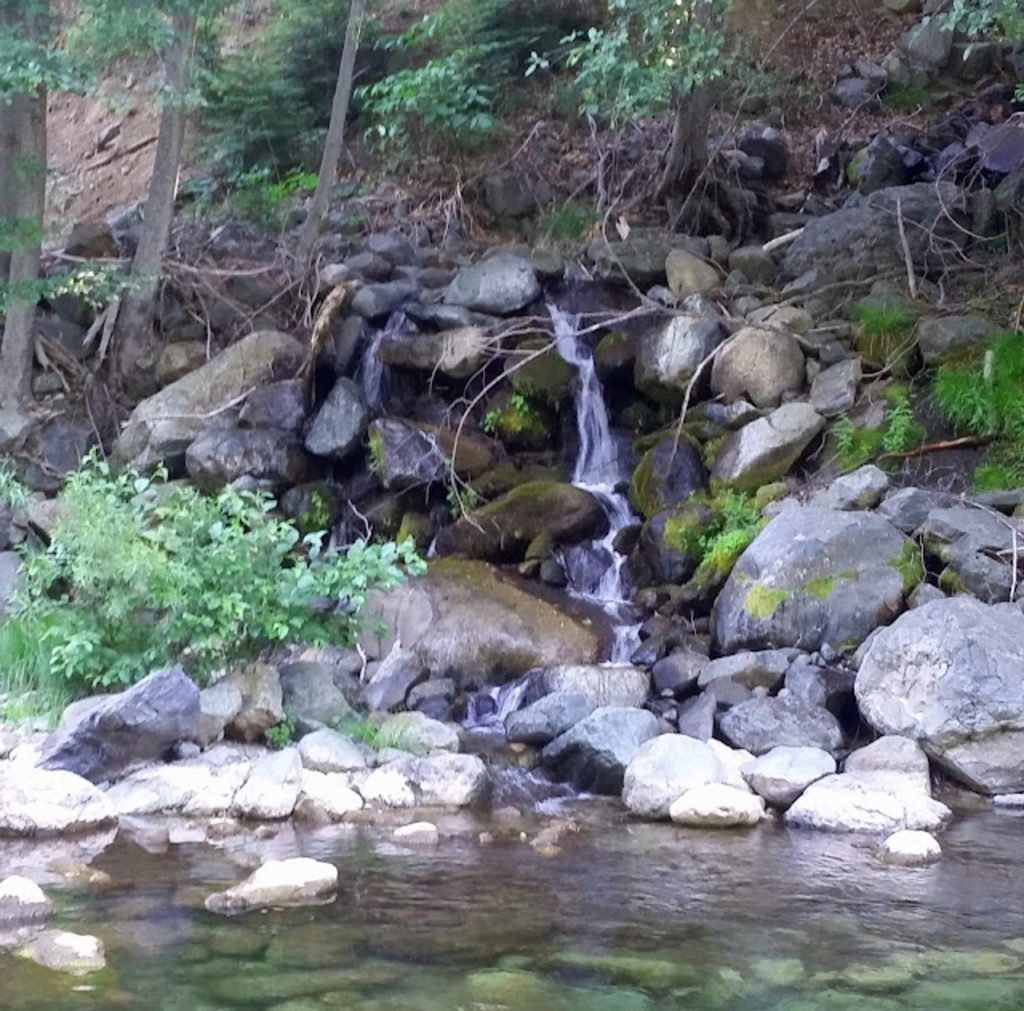
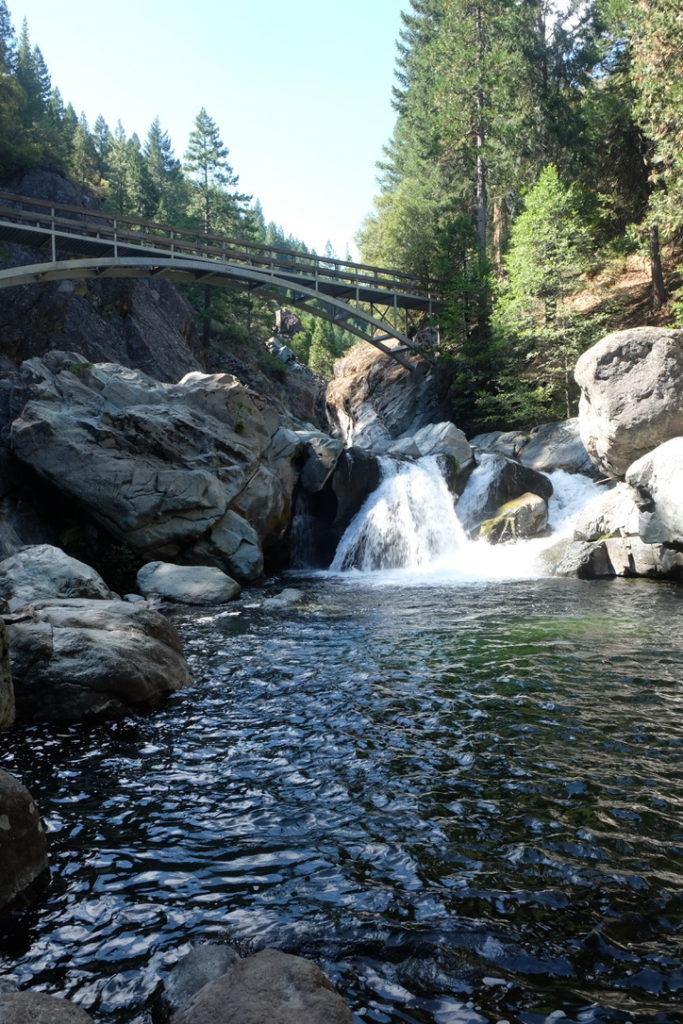
Each little pool holds fish. Bring your 2 or 3 weight rod. This is fiberglass and bamboo country.
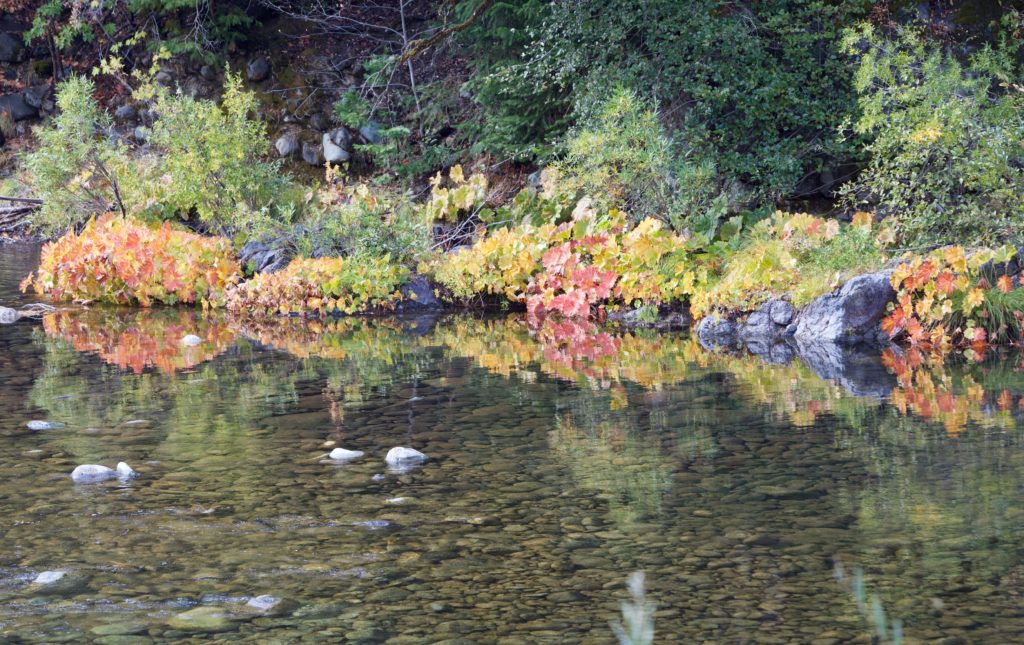
Fall on the North Fork Yuba
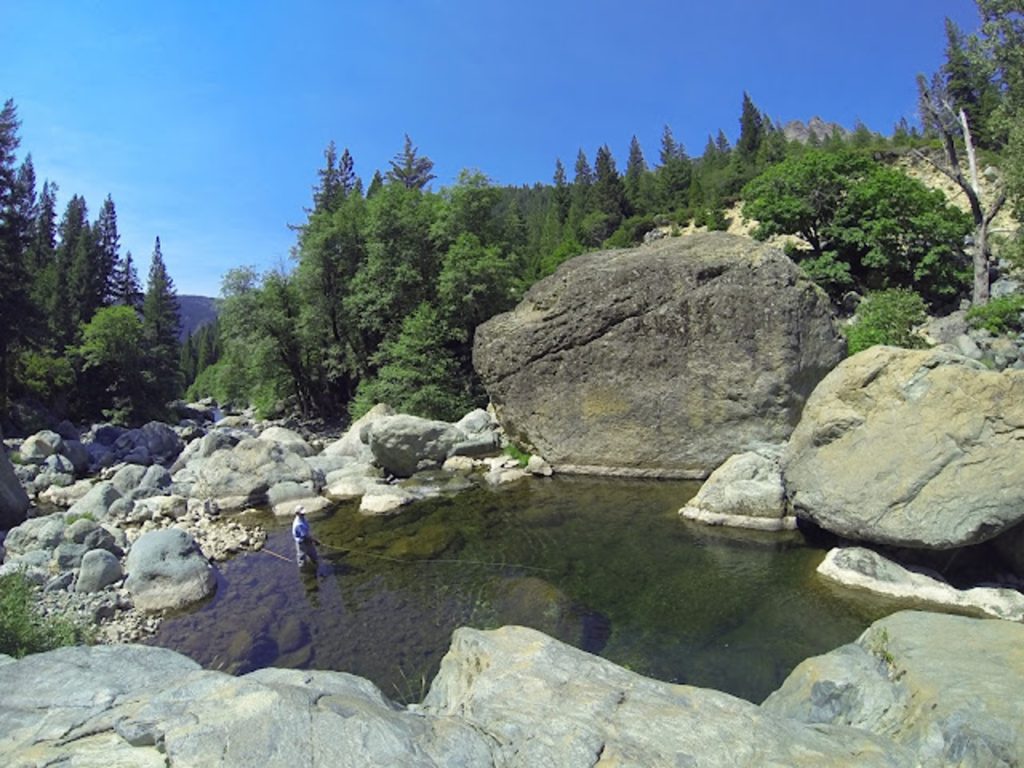
Taking your spouse fishing in stunning beauty and solitude can be the perfect date. The North Yuba is a great place to introduce your partner to the joy of fly fishing. You’ll have success in hooking a fish while being surrounded by the most amazing river scenery in California.
Be prepared to hike a bit. Bring some good snacks and something to drink. Slow down and soak it in.
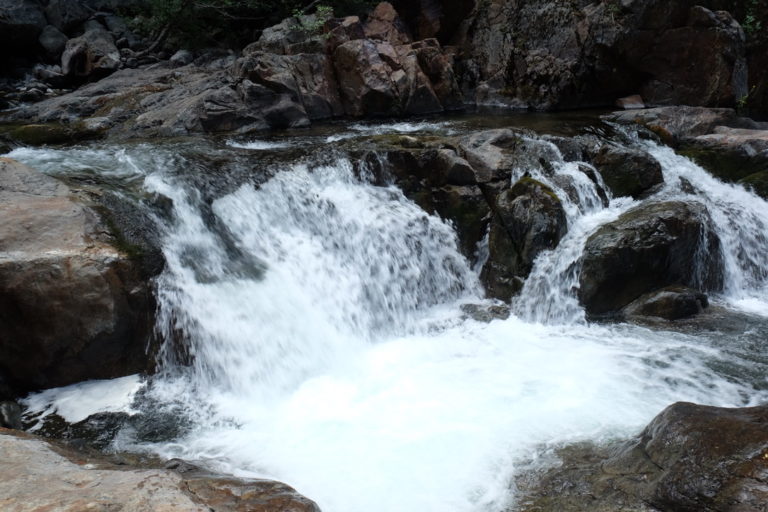
Short cast to the heads of pools are sure to produce strikes.
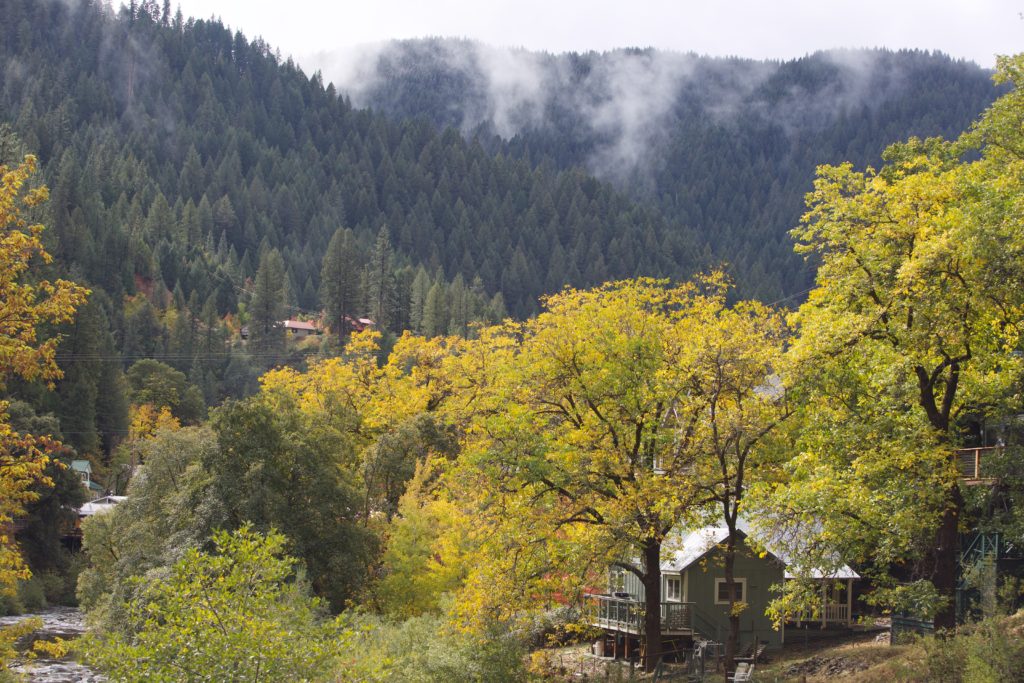
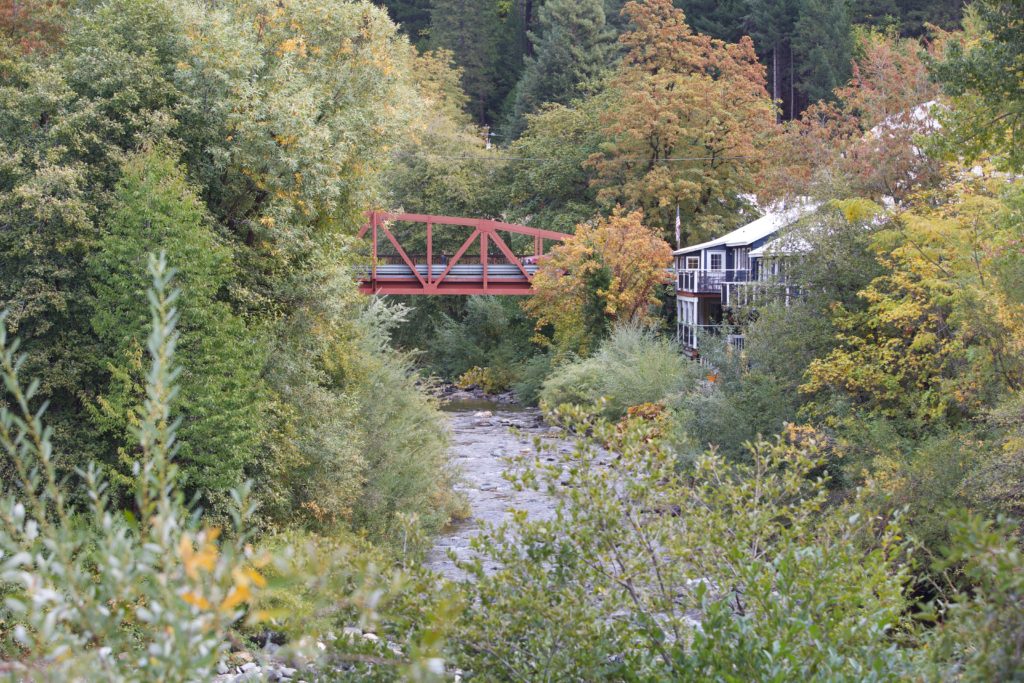
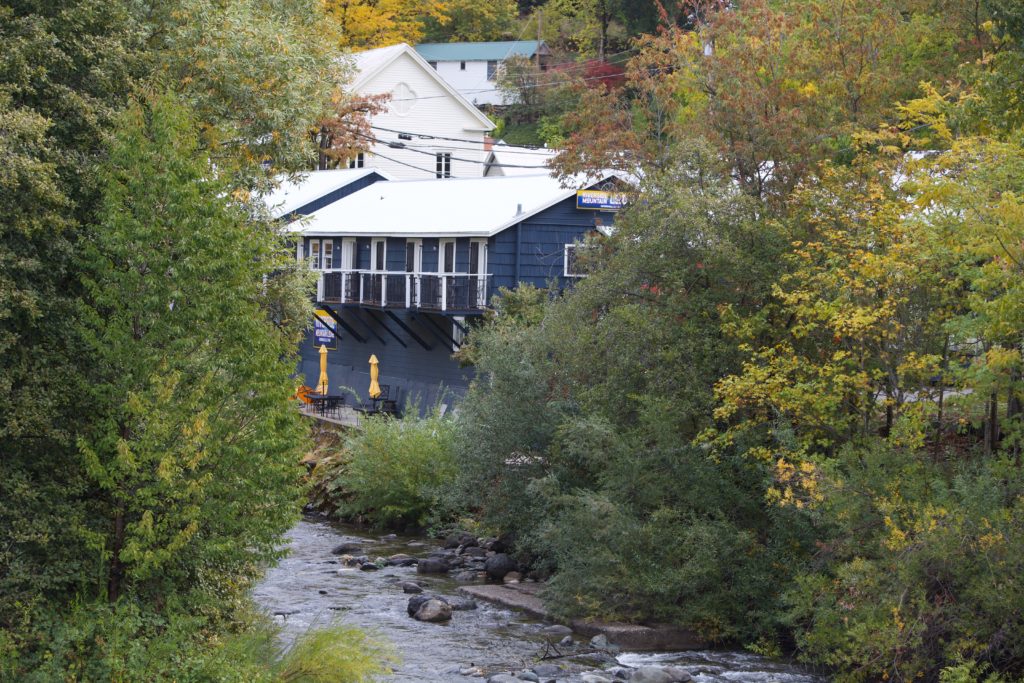
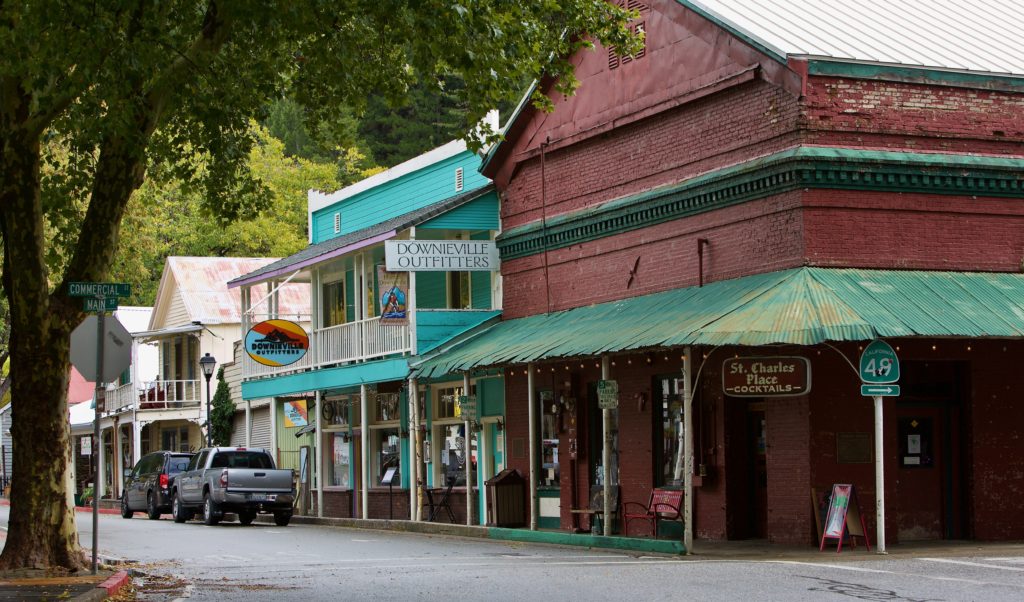
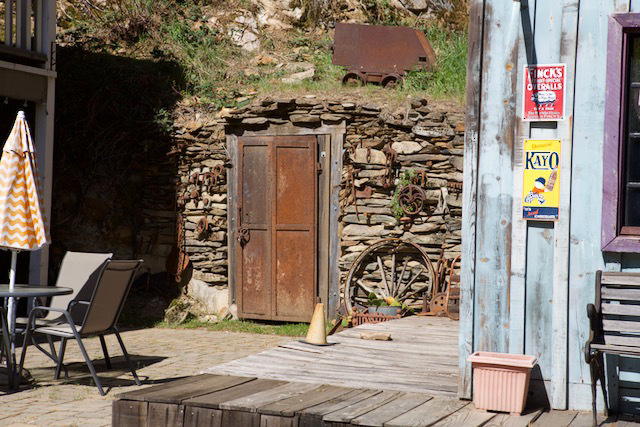
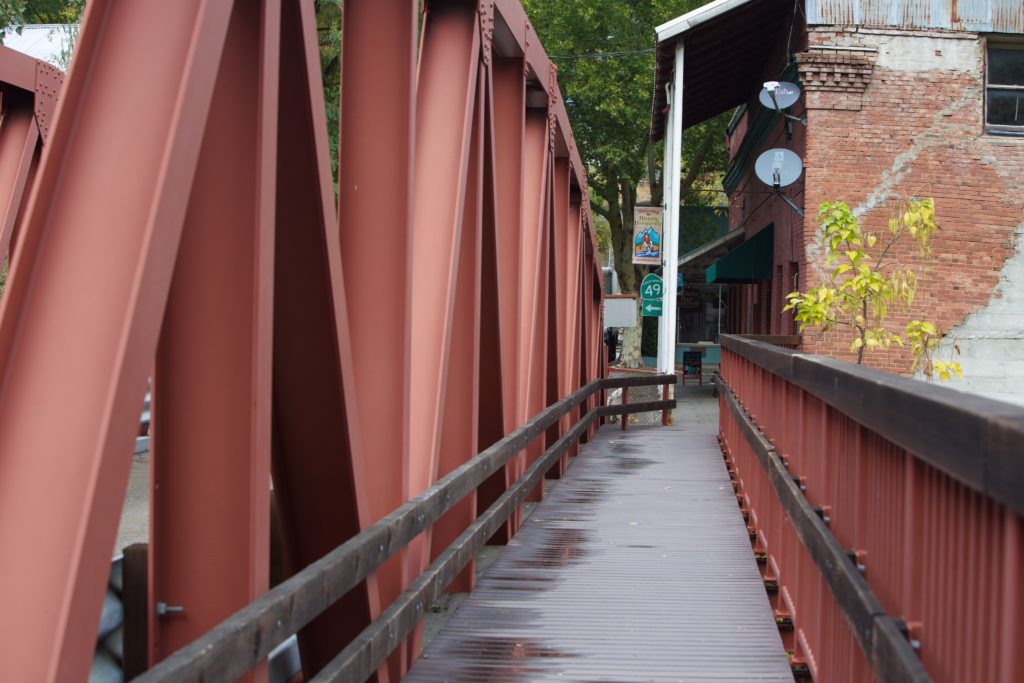
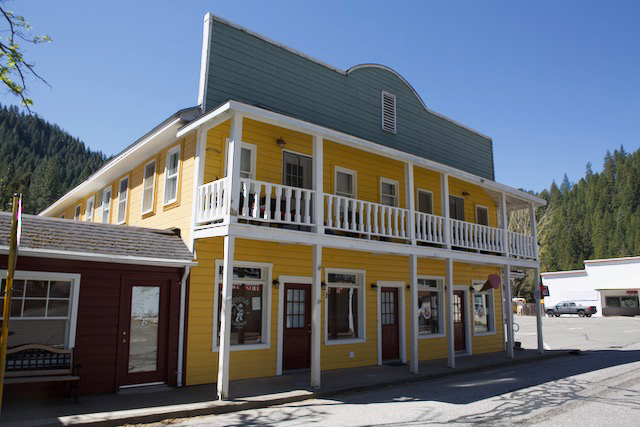
Took a walk around Downieville on a cool Fall morning
I took an hour and strolled around Downieville with my camera. Fall is an amazing time to be in our Sierra mountains.
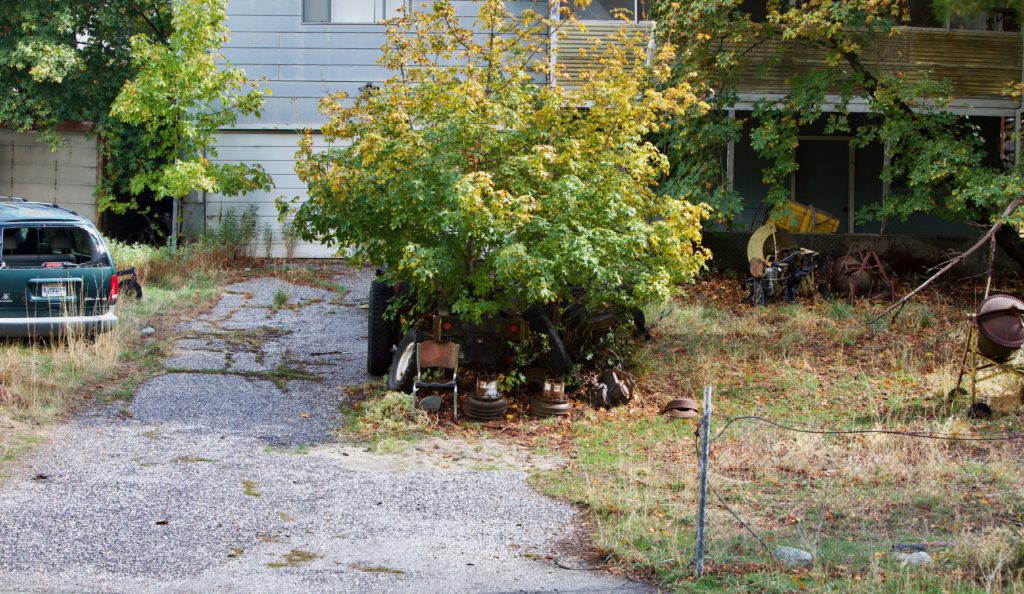
Over the past five years, I’ve watched nature slowly reposes this front yard. That Maple tree is growing through a semi-truck that’s been sitting on the driveway for years. Across the street from this house is a beautiful section of river that holds wild trout. Looks like an opportunity.
Check out this great film on the Mountain Biking in Downieville
This is a wonderful film about the town of Downieville and it’s main attraction- the epic single track trails in the area. This film focuses on the famous Downieville Downhill. I’ve been mountain biking since the early days of dirt bike parts on bikes. This is still the best riding that I’ve experienced. Get some!
The video was put together by Outsider MTB. You can check out their other videos here. The video has some sponsorship from The Carriage House Inn, a great spot to stay in town. It’s literally 100′ from the two shuttle services and sits right on the river.
Visit Downieville
Visit Historic Downieville. Bike, Fish, Hike, & Relax
The Downieville Downhill is a blast for sure, but there’s more to the the town that just shredding perfect single track. Downieville is a safe, quiet town in some of the most beautiful space in the Western States. Everyone that visits fall in love with the town and the area.
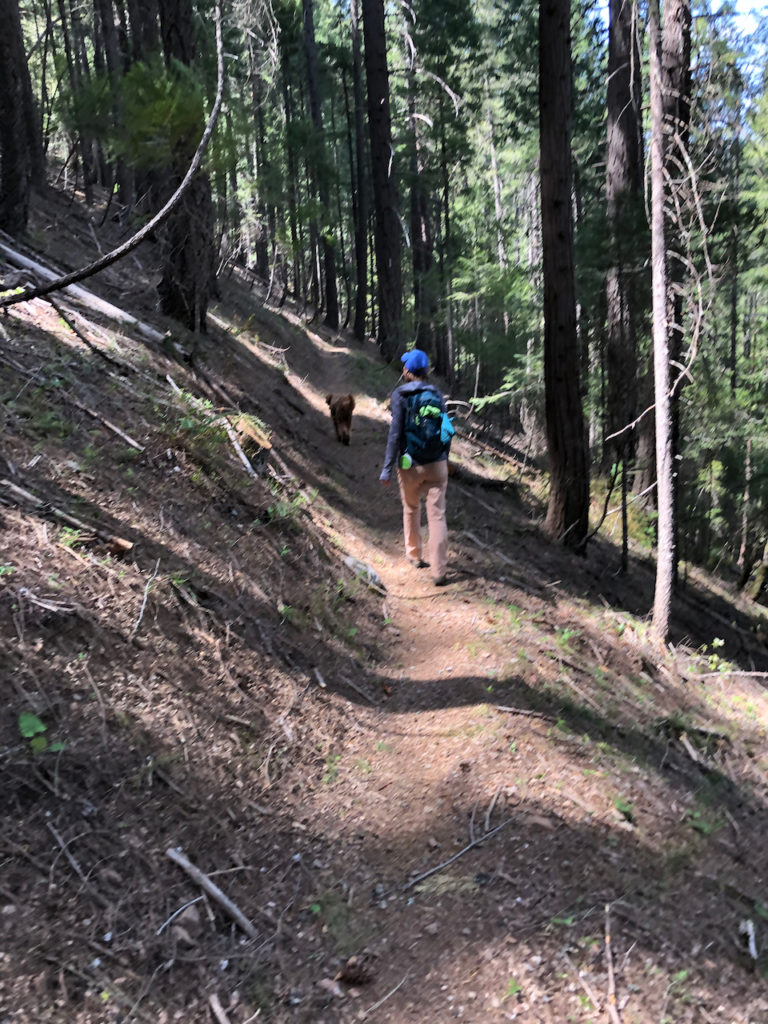
Take a hike on the North Yuba Trail. It’s a beautiful path that leads right of of town. Cross creeks, see wild life, see blooming native Dogwoods, and find solitude. The trailhead parking is at 480 Durgan Flat Way. Bring some water and lunch.
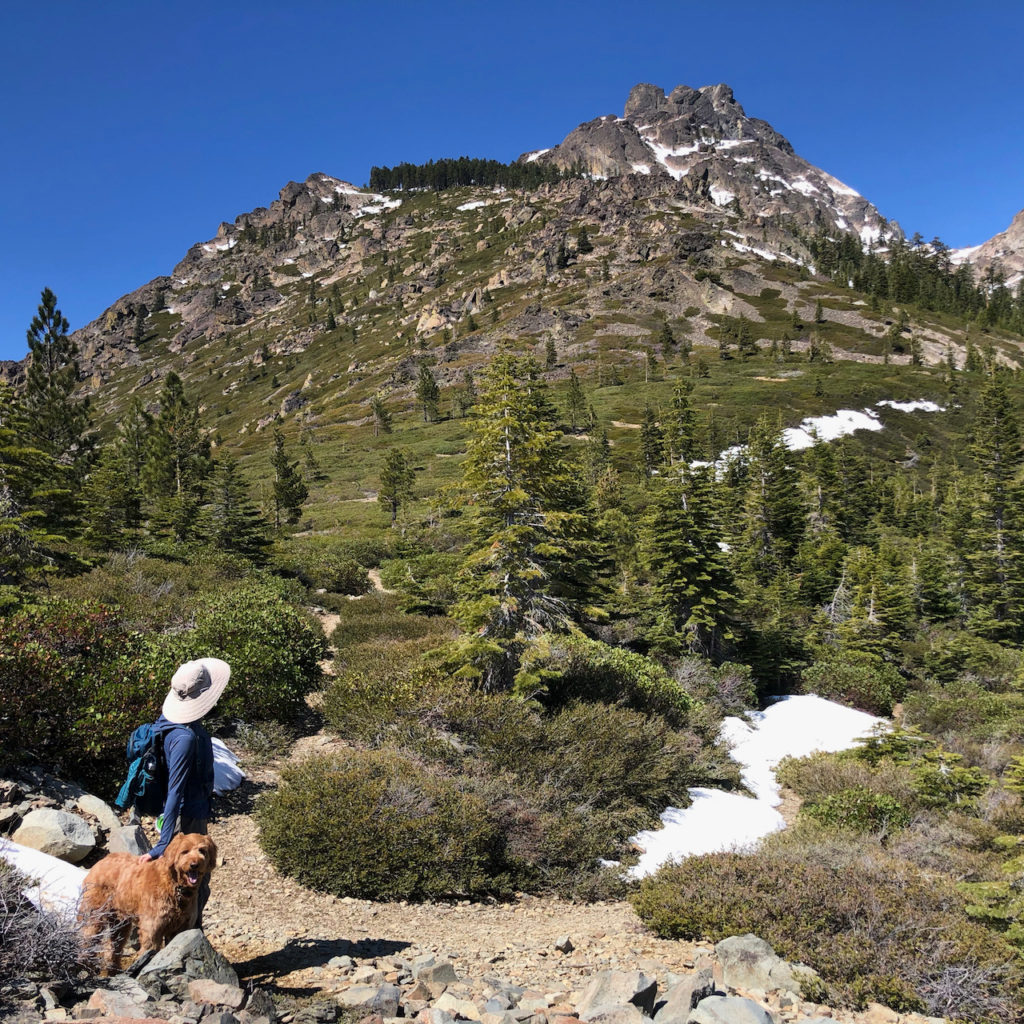
Hike on the Pacific Crest Trail! You don’t need to spend months on the PCT, just take a quick stroll on the best part of the trail. The PCT crosses highway 49 just above the neighboring town of Sierra City. A lovely short hike down the PCT to the South brings you to Loves Falls. A more strenuous hike to the North brings you to the Sierra Buttes.
Check out the Pacific Dogwoods
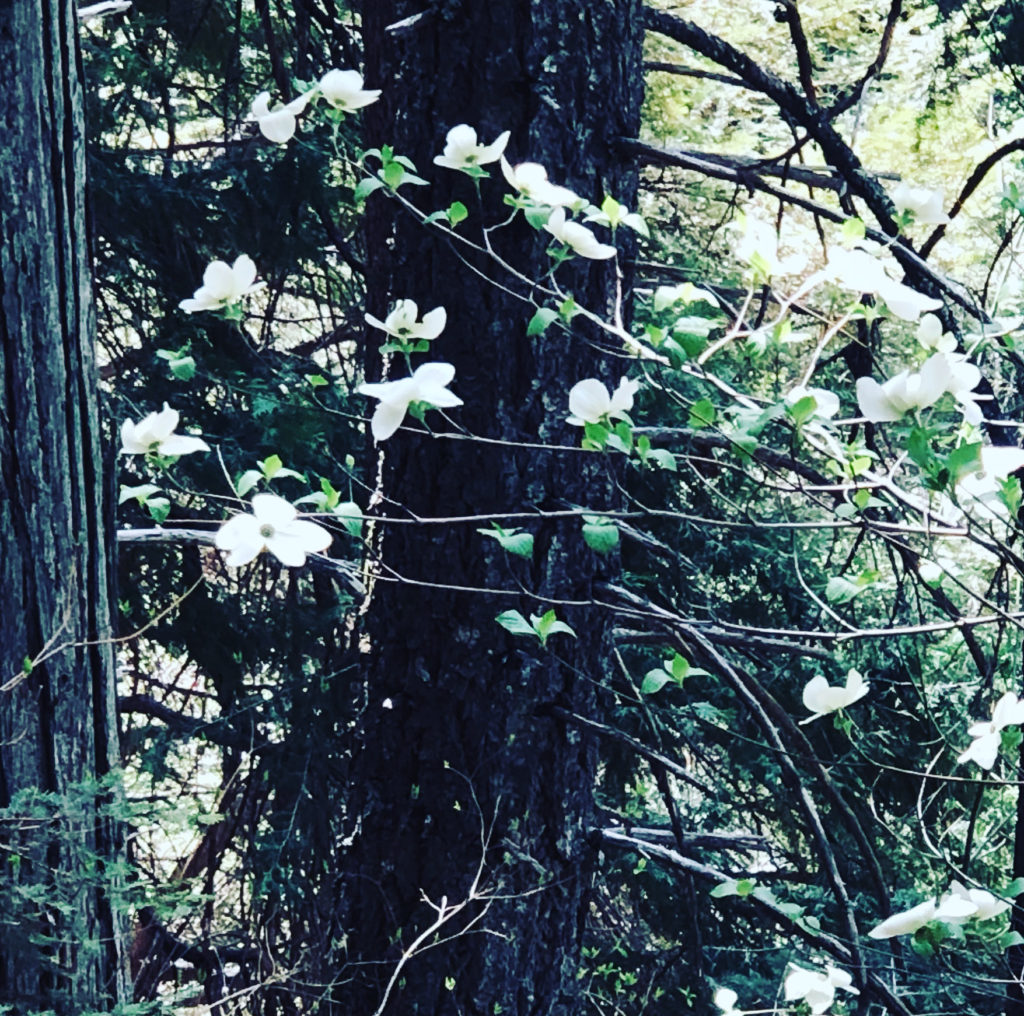
The Pacific Dogwoods are going off right now. They are a beautiful reminder that Summer is coming. Get to the mountains this weekend and check them out.
From the US Forest Service:
‘Pacific dogwood is in the Cornaceae (dogwood Family) which contains approximately 12 genera and 100 species distributed primarily through temperate and tropical mountainous regions. Indigenous people used the bark of Pacific dogwood to make a brown dye and a decoction for stomach trouble. Young shoots were often used for weaving baskets. The wood of this species is hard and heavy and has been used commercially to make a wide variety of products including bows, arrows, thread spindles, cabinets, piano keys, mallet handles, and golf club heads. In medieval times, the hard wood of dogwood species was used for making wooden daggers. The brilliant fall colors of the leaves make Pacific dogwood a valuable ornamental. As with its close relative, flowering dogwood, it is susceptible to dogwood anthracnose, a disease caused by the nonnative fungus Discula destructiva. The disease is responsible for the death of some larger trees in the wild and the disease has restricted its Pacific dogwood’s use as an ornamental.
Pacific dogwood is a deciduous tree growing up to 20 meters tall (66 feet) with a smooth dark bark. Leaves are oval, pointed at the tip, 4-10 cm (1.6-3.9 inches) long, deep green in color, and have parallel veins. Flowers occur in tight clusters 1.5-2 cm (0.6-0.8 inches) wide and are subtended by 4-8 conspicuous white bracts 2-7 cm (0.8-2.8 inches) long. Petals are greenish white and often tinged purple. Trees will flower in the spring and often again in the fall. Fruits are bright red and approximately 10 mm (0.4 inches) long.
Distribution is restricted to the Pacific Northwest and California extending from southern British Columbia south through Washington, Idaho and Oregon to California primarily west of the Cascades and Sierra Nevada. It has a relatively low tolerance to frost, a relatively high tolerance to flooding and is moderately shade tolerant. It is common along stream banks in low elevation coniferous, hardwood, and mixed coastal forests. It prefers moist but well drained soils on gentle slopes predominantly below 1500 meters (5000 feet) elevation. It is capable of sprouting from root crowns after fire.
Deer and elk browse young Pacific dogwood sprouts for forage. Small mammals such as deer mice and the red tree vole and birds, including band-tailed pigeons and pileated woodpeckers feed on the fruits.
Cornus nuttallii was named after Thomas Nuttall, an English botanist and zoologist who worked in the United States during the 1800s’
Haypress Creek Fly Fishing
Haypress Creek joins the North Yuba just above Sierra City. Haypress offers small rainbows and, in its upper stretches, small brook trout. Above Sierra City on hwy 49 take Wild Plum Road to access Haypress and a nice section of the North Yuba. There are lots of small trout in Haypress. There may be planted fish at the campground but wild fish can be found upstream via Haypress Creek Trail. The trailhead is located on the north side of the bridge at Wild Plum Campground.
Putah Creek, a Bay Area local stream with huge rainbows
Fly Fishing Putah Creek California
Putah Creek is a unique tailwater fishery that was created by the construction of Monticello Dam. Before dams were built on the creek, it was a natural Steelhead spawning area that the dams and resulting lakes destroyed. The dam didn’t destroy all the fishing opportunities though. It just created another one that otherwise would never exist. Like many tailwaters in the warm southeastern United States, the dam created a cold, rainbow trout fishery. This one lies in the foothills of the Sacramento Valley of northern California providing good fly fishing opportunities for trout within close range of the Bay Area and Sacramento.
Putah Creek flows from the Coast Range of Northern California into Lake Berryessa but it’s the section of the creek below Monticello Dam that’s offers excellent year-round trout fishing. The water, which is discharged from the lower part of the lake, stays cool in the hot Summer and doesn’t freeze in the cold Winter. It has a good population of aquatic insects and a thriving population of trout that grow year-round.
Large trout move upstream from Lake Solano, located downstream of Monticello Dam. Trout up to twenty inches have been caught. There are also some large brown trout that migrate upstream during the Fall from Lake Solano.
Discharges from the dam are based on agricultural demands. Flows can vary from 60 to 90 cfs during the cooler months up to 500 cfs and more during the warm months. Most of the time during late Spring, Summer and early part of the Fall, large amounts of water is discharged to assist agricultural needs further downstream. By the middle of the Fall Season, the flow usually drop, providing great fly fishing opportunities. Fly Fishing Putah Creek during late Autumn can be a very rewarding experience.
Putah Creek Fly Fishing Guide:
Putah Creek is a very productive wild trout fishery but the trout are not necessarily easy to catch. Some anglers call them technical fish, meaning they can be rather selective as to what they eat. The different flows are usually the difficult part to master. The flows are often to high to wade. Anything about 250-300 cfs makes for tough wading conditions.
Keep in mind that during the Winter a many of trout in are either stocked trout that haven’t be use to eating the natural aquatic insects and other trout foods in the creek. Some are spawning fish that have moved upstream from the lake. This makes the fly choice deceptive at times because you don’t necessarily know what your fishing for. Stocked trout aren’t selective and the wild ones are. It is best to base your fly selection on catching wild trout. The stockers will hit about anything at times but the wild ones won’t.
Access to the water is easy. State highway #128 runs parallel with Putah Creek between Winters and Napa. There are five county operated fishing accesses. They are placed in ideal locations with anglers in mind. You pay a small fee to park at the access areas but you can park along the road. You can also access the creek just below the dam.
Though the creek drops at a relatively low declination and there are some long stretches of slack water. When the flows are low, the creek is quite different and fish are usually located in the deeper runs. High sticking is popular and a good way to fish the deeper runs.
Putah Creek Hatches and Trout Flies:
Our information on aquatic insects is based on our stream samples of larvae and nymphs, not guess work. We base fly suggestions on imitating the most plentiful and most available insects and other foods at the particular time you are fishing. Unlike the generic fly shop trout flies, we have specific imitations of all the insects in Putah Creek and in all stages of life that are applicable to fishing. If you want to fish better, more realistic trout flies, have a much higher degree of success, give us a call. We not only will help you with selections, you will learn why, after trying Perfect Flies, 92% of the thousands of our customers will use nothing else. 1-800-594-4726
There isn’t a lot of diversity in the aquatic insect population. The most plentiful species are Blue-winged Olives and Midges. The BWOs consist of several different species including about five Baetis species. These hatch in the spring and early summer and again in the Fall.
Baitfish and sculpin are plentiful. Often, sculpin pattern streamers is a very good fly selection. It is best to fish them during low light situations.
Midges hatch year-round but are more important during the cold months when few other insects are around. Most of the midges are cream colored but there is also some light green colors and a few blood, or red midges. Quite often, fishing imitations of midges is about the only way to go.
Putah has several species of caddisflies, most of which are net-spinning caddis called Spotted Sedges. There are several species including some called Little Sisters.
The Spotted Sedges hatch off and on, depending on the exact species from April though October. They range in hook size from a 14 to a 18. There are also a few Green Sedges. These hatch in May and June.
Terrestrial are popular in the Summer. The banks have plenty of ants and beetles and grass hoppers are fairly common.