Fall Fishing the North Fork Yuba: October Caddis, Empty Campgrounds and Your Best Shot at Big Fish

undefined

Frequently Asked Questions

When does the October Caddis hatch on the North Fork Yuba River?

The October Caddis hatch typically begins in late September and peaks through October into early November. Activity is most intense during the warmest part of the day (11am–4pm) on sunny days. Overcast or cold days slow things down considerably, so timing your trip around sunshine is worthwhile.

Where is the best place to fish the North Fork Yuba in fall?

Focus downstream of Downieville for the best October Caddis action. The lower watershed has longer runs, open riffles, and sunny bends that October Caddis prefer. This section also holds larger fish than the upper river. Water temps in the 53–58°F range make for very active trout all day.

What flies should I use for October Caddis on the North Fork Yuba?

An orange or rust-colored Stimulator (#6–10) is the classic choice and hard to beat. Dedicated October Caddis adult patterns in the same size range work great too. Carry some Blue-Winged Olive patterns (#16–18) for overcast periods when BWOs take over from the caddis. Soft hackle wet flies swung through runs are deadly in the mornings.

Is the North Fork Yuba River crowded in fall?

Fall is dramatically less crowded than summer. By October the campgrounds are largely empty and weekday visits especially can feel like you have the entire river to yourself. It’s one of the most underrated times to visit the North Fork — great fishing, fall foliage, empty campgrounds, and cool crisp air.


Written by the team at NorthYubaGuide — locals who fish the North Fork Yuba River and its tributaries throughout the seasons. Our mission is to help visiting anglers discover the world-class fly fishing this Sierra Nevada watershed has to offer. For access maps, gear recommendations, and more fishing intel, explore the rest of the site.
August on the North Fork Yuba: Survival Tactics for “Africa Hot” Summer Fishing

By August, the North Fork Yuba canyon can feel like a furnace. Locals call it “Africa Hot” — and they’re not wrong. The granite walls absorb heat all day, the air shimmers, and lesser rivers have given up entirely. But here’s what separates the North Fork from almost every other Sierra Nevada trout stream: this river doesn’t quit in August. Its spring-fed character keeps the fish alive, active, and catchable — if you know how to approach it.

Go Wet, Go Light

First things first: leave the waders at home. Wet wading in August is not optional — it is essential. The canyon terrain is rugged and you need to be able to move freely. Wet wading keeps you cool, keeps you mobile, and honestly makes the whole experience about ten times more enjoyable. Lightweight wading boots with felt or rubber soles, quick-dry shorts, and a good sun shirt is the right kit. You’ll be in and out of the water constantly in this environment.

Chase the Oxygen, Chase the Fish

In warm water conditions, dissolved oxygen becomes the controlling factor for trout activity. Forget the slow, deep pools in August — the fish that are actively feeding are in the high-gradient sections where the river is moving fast and tumbling through boulder fields. Plunge pools below significant drops, the churning pockets in fast whitewater runs, and any section with a steep gradient are where you’ll find the most oxygenated water and the most aggressive fish. If the water looks like it’s working hard, so are the trout.

The Magic Hour Strategy

Mid-day fishing in August can be slow — the sun is high, the water is at its warmest, and fish have pulled back into their comfort zones. The real action in August belongs to the Magic Hour — the final 90 minutes of daylight. This is when water temperatures begin to drop, caddis and mayfly activity peaks, and the largest residents of the system move into the shallows to feed. If you can time your fishing to include that golden evening window, you will encounter the best trout activity of the day.

One critical note: if you’re planning to fish the Magic Hour, bring a headlamp. The trek back out to Highway 49 after dark in this canyon is genuinely treacherous — the trail along the river is rocky, uneven, and not lit. And be aware that mountain lions are active in this canyon at twilight. This isn’t dramatic — it’s just a real part of fishing the North Fork. Let someone know your plan before you head in for an evening session.

Top Flies for August

The Parachute Adams 14-16 is excellent in August — it’s highly visible in broken pocket water, it floats all day, and the fish eat it confidently. When the hatch gets specific, a Red-Headed Stepchild nymph or a small Lightning Bug as a dropper beneath your dry fly will add fish that won’t come to the surface. The terrestrial game is also in full swing — ants and hoppers are producing, and a submerged ant pattern is lethal in the heat of the afternoon.

Frequently Asked Questions

Is the North Fork Yuba River worth fishing in August?

Absolutely — but you have to approach it correctly. The key is focusing on high-gradient, high-oxygen sections (plunge pools and fast pocket water), fishing during the cooler morning and evening hours, and targeting the spring inflows in the upper watershed where water temperatures stay manageable. Anglers who adapt to August conditions can have outstanding days on this river.

What is the “Magic Hour” on the North Fork Yuba?

The Magic Hour refers to the final 90 minutes of daylight, when water temperatures begin to cool, hatch activity peaks, and the largest trout in the system move into the shallows to feed. On hot August days when mid-day fishing is slow, timing your session to include this evening window can completely change the outcome of your day. Just make sure to bring a headlamp — the walk out after dark is not easy.

Are there mountain lions on the North Fork Yuba River?

Yes — mountain lions are present in the area and the only chance that you’ll see one is if you’re driving in late and your car is quiet.  You won’t see one on the river.  They are around and they also have no interest in people.  Your biggest risk is driving to the area. People die on the road regularly, be careful.  There is no record of anyone in the entire county being killed by a mountain lion.  If you’re lucky enough to see one, give it space and take a picture.

Should I wet wade or use waders in August?

Wet wade, without question. Waders in August in the North Fork canyon are uncomfortable and restrict your mobility on the technical terrain. Lightweight wading boots, quick-dry shorts, and a sun shirt is the right setup. The water is refreshing and the freedom of movement in the rugged boulder fields is worth it every time.

What are the best flies for the North Fork Yuba in August?

A Royal Wulff (#12–16) is the go-to dry fly for broken pocket water — it’s visible and buoyant all day. Pair it with a Red-Headed Stepchild nymph or small Lightning Bug as a dropper for subsurface fish. During the evening Magic Hour, match whatever is hatching — caddis and PMDs are common in late summer. Don’t forget terrestrials: ants (both floating and submerged) and hoppers can be very effective, especially in the afternoons.


Written by the team at NorthYubaGuide — locals who fish the North Fork Yuba River and its tributaries throughout the seasons. Our mission is to help visiting anglers discover the world-class fly fishing this Sierra Nevada watershed has to offer. For access maps, gear recommendations, and more fishing intel, explore the rest of the site.

Dog Days on the North Fork Yuba: Beating the Heat and Finding Big Trout

undefined

Frequently Asked Questions

Can you fly fish the North Fork Yuba River in August?

Absolutely — and it can be some of the best fishing of the year if you approach it right. The key is focusing on the upper watershed where deep subterranean springs keep water temperatures in a healthy range (57–64°F), going remote to avoid pressure, and fishing the prime hours from early morning through mid-afternoon.

What is the dark water technique for the North Fork Yuba?

Dark water refers to the deep shaded zone that forms around large boulders and granite walls in the river — it looks almost inky black against the surrounding current. Trout love holding in this structure because it offers shade, security, and cooler temperatures. Casting tight to these walls and drifting your fly along the edge of the darkness is extremely effective, especially during the heat of the day.

How far do I need to hike to find good fishing on the North Fork Yuba in summer?

Even a 10–15 minute walk from popular access areas makes a noticeable difference in both fish numbers and fish behavior. For truly exceptional remote fishing, a half-mile to mile hike will put you in water that sees very little pressure. The payoff is absolutely worth the effort.

What terrestrial patterns work best on the North Fork Yuba in August?

Ants are the star of the show — both floating and submerged patterns in black. Hopper patterns produce too, especially along grassy banks later in the season. A submerged ant dropper hanging 18–24 inches below your dry fly is one of the most effective rigs on the river in late summer.


Written by the team at NorthYubaGuide — locals who fish the North Fork Yuba River and its tributaries throughout the seasons. Our mission is to help visiting anglers discover the world-class fly fishing this Sierra Nevada watershed has to offer. For access maps, gear recommendations, and more fishing intel, explore the rest of the site.

June on the North Fork Yuba: The Monkey Flower Secret and the Great Dry Fly Transition

June is when the North Fork Yuba River becomes the place I want to be more than anywhere else on earth. The flows are dropping, the pocket water is emerging from the receding snowmelt, and the wild rainbows — those brilliantly colored fish with their vivid purple parr marks and crimson stripes — are looking up. This is the Great Transition, and if you understand what’s happening on this river in June, you will have days you’ll talk about for years.

The Monkey Flower Secret: Finding Cold Water

Here is one of my favorite pieces of local knowledge about this river, and it’s something you won’t find in any guidebook. When the canyon gets hot and you’re wondering where the most active fish are holding, look at the bankside vegetation instead of the water. Specifically, look for Crimson Columbine and Lewis’s Monkey Flower growing along the banks and rock faces. These plants thrive in the seep zones fed by subterranean springs — the same springs that pump 42°F to 46°F water directly into the river. Where those flowers are blooming, cold spring water is entering the system. And where cold water enters the system, you’ll find trout stacked up and actively feeding.

The North Fork’s spring inflows are one of its defining characteristics, and learning to read the botanical clues along the bank will put you onto fish that other anglers walk right past. Follow the flowers.

Scale Down and Feel Everything

By June it’s time to put away the heavier April setup and go light. A 0 to 3-weight rod is ideal for the North Fork’s crystal-clear pocket water — these lighter rods give you a delicate presentation on gin-clear water AND let you feel every single fish. A 7.5-foot leader to 5x is the right setup. You might be tempted to go 6x for extra stealth, but the granite boulders and heavy current seams of this canyon are unforgiving — you’ll lose too many fish on the break. Stick with 5x and present well.

What’s Happening Hatch-Wise

June brings a tremendous burst of aquatic and terrestrial activity. The Golden Stonefly adults are out, caddis are everywhere in olive and tan, and the early morning and evening hatch activity is genuinely spectacular. The wild rainbows are aggressive and opportunistic right now — they’ve made it through winter and runoff and they are ready to eat.

Top Flies for June

The Yellow Stimulator in size 10 is the undisputed king of June on the North Fork. It’s visible, it’s buoyant, it matches the general size and profile of the stoneflies in the system, and the fish absolutely eat it. Pair it with an EC Caddis in olive or tan as a dropper for the evening hatches when caddis are popping. Keep your dry flies well-treated and riding high — in this fast pocket water, a sunken dry fly is a missed opportunity.

Frequently Asked Questions

What is the best month to fly fish the North Fork Yuba River?

June through September are all excellent, but June has a special magic to it. The flows have come down from peak runoff, the pocket water is fully accessible, the hatches are intense, and the wild rainbows are aggressive. If you can only pick one month, June is hard to beat.

What are the Monkey Flowers and how do I use them to find trout?

Crimson Columbine and Lewis’s Monkey Flower grow in the seep zones where subterranean springs enter the river. These springs pump 42–46°F water into the main stem, creating cold-water refuges that trout actively seek out, especially as air temperatures rise in summer. When you see these flowers blooming along the bank, you’re looking at a spring inflow zone — fish it carefully. It’s one of the best pieces of local knowledge on this river.

What rod weight should I use on the North Fork Yuba in June?

A 0 to 3-weight rod is ideal for June’s clear pocket water. The light rod gives you a delicate presentation and lets you feel every fish. Pair it with a 7.5-foot leader to 5x tippet — avoid going lighter than 5x as the granite structure and powerful seams can break 6x on a good fish.

What are the wild rainbow trout like on the North Fork Yuba?

The North Fork’s wild rainbows are some of the most beautiful trout in California. They carry vivid purple parr marks and brilliant crimson lateral stripes — they look like jewels. Most run 6–14 inches with the occasional larger fish, especially in the lower canyon. They are completely wild, naturally reproducing fish in a pristine mountain environment. Please practice catch and release to keep this fishery healthy.

How crowded is the North Fork Yuba in June?

Access areas near Highway 49 see moderate pressure, but the river is long and the canyon is deep. Even a 15-minute walk from a popular pullout puts you in water that gets a fraction of the pressure. Weekday visits are noticeably quieter. The best fishing on this river has always rewarded the angler willing to explore.


Written by the team at NorthYubaGuide — locals who fish the North Fork Yuba River and its tributaries throughout the seasons. Our mission is to help visiting anglers discover the world-class fly fishing this Sierra Nevada watershed has to offer. For access maps, gear recommendations, and more fishing intel, explore the rest of the site.
Early Summer on the North Fork Yuba: June Hatches That’ll Blow Your Mind

undefined

Frequently Asked Questions

What hatches occur on the North Fork Yuba River in June?

June is one of the most active hatch months on the North Fork. You can expect Golden Stoneflies, multiple caddis species (olive, black, amber), Little Yellow Sallies (#14–18), flying ants, and the occasional crane fly. Evening hatches are especially productive during this window.

What size flies should I use on the North Fork Yuba in early summer?

Size 12–16 covers most situations in June. Little Yellow Sallies call for #14–18, while larger attractor dries like Stimulators and Humpies work well in #10–14. For nymphs, #14–18 is the sweet spot. Don’t be afraid of bold colors — yellow, red, and purple are very effective early in the season.

Is the North Fork Yuba River crowded in June?

Fishing pressure is moderate near easy-access areas but drops off dramatically as you move into the more remote sections. Weekday visits are noticeably quieter. The river is long enough that finding solitude with a short hike is very achievable even on busy weekends.

Are there brown trout in the North Fork Yuba River?

Yes! While wild rainbows dominate the system, brown trout are present in the mix — especially in the lower sections of the river near Downieville. They tend to be more selective and hold in slightly different water than rainbows, making them a fun bonus target.


Written by the team at NorthYubaGuide — locals who fish the North Fork Yuba River and its tributaries throughout the seasons. Our mission is to help visiting anglers discover the world-class fly fishing this Sierra Nevada watershed has to offer. For access maps, gear recommendations, and more fishing intel, explore the rest of the site.
Reading the Water: How to Find Fish on the North Fork Yuba River

North Yuba trout water

undefined

Frequently Asked Questions

What type of water holds the most fish on the North Fork Yuba?

Focus on seams between fast and slow water, foam lines, the edges of plunge pools, water adjacent to large boulders (especially shaded dark water), and any spot with 2–4 feet of depth. The less obvious the lie — a tight pocket behind a boulder, a slot under an overhanging branch — the less pressure it’s seen and the better the fish tend to be.

How important is water temperature when fishing the North Fork Yuba?

Very important, especially in summer. Always carry a thermometer. Trout are most active between 55–65°F. When temperatures approach 68°F, fish become stressed and shouldn’t be targeted. The good news is the North Fork’s spring inflows help keep the upper watershed cooler than most Sierra rivers even during heat waves.

What rod weight is best for the North Fork Yuba River?

A 3-5 weight rod is ideal for most of the river’s pocket water and makes every fish feel incredible. A 5 weight works fine and gives you a bit more versatility for windier conditions or larger attractor dries. Match it with a 7.5-foot leader to 5x tippet as a solid starting point. Short leaders perform better on shorter rods in tight quarters.

Is a fishing license required on the North Fork Yuba River?

Yes — a valid California fishing license is required to fish the North Fork Yuba River. Licenses can be purchased online through the California Department of Fish and Wildlife website. The North Fork Yuba holds wild, naturally reproducing rainbow and brown trout — please practice catch and release to help preserve this incredible fishery.


Written by the team at NorthYubaGuide — locals who fish the North Fork Yuba River and its tributaries throughout the seasons. Our mission is to help visiting anglers discover the world-class fly fishing this Sierra Nevada watershed has to offer. For access maps, gear recommendations, and more fishing intel, explore the rest of the site.

The Yuba River Fishway Is the Right Call — But Let’s Build It Right

March 2026 | North Yuba Guide

I’ll be upfront: I think the Daguerre Point fishway is the right move for the lower Yuba. But I also think the people raising concerns about it deserve a real answer — not a press release.

Here’s the situation.

Yuba Water Agency just hired Teichert Construction to lead the design and pre-construction phase of a $100 million-plus “nature-like fishway” around Daguerre Point Dam. The idea is to carve a bypass channel around the dam so that salmon, steelhead, sturgeon, lamprey, and rainbow trout can move freely through the lower river — something the dam has blocked for decades.

From a long-view standpoint, this is exactly the kind of investment the Yuba watershed needs. Fragmented river habitat kills fish populations slowly, and reversing that damage takes generations. Fish passage restoration is one of the few things we can do now that will still be paying off 50 years from now. The California Department of Fish and Wildlife agrees — they’re putting $30 million into it.


The striped bass problem is real. Don’t dismiss it.

Here’s where I have to pump the brakes on the cheerleading.

That same bypass channel that lets salmon move upstream is going to open a door for striped bass into the 10-mile stretch between Englebright and Daguerre Point dams. That stretch is one of the best trout fisheries in Northern California — partly because the dam has been keeping predators out.

Local fly fishers, including the Gold Country Fly Fishers, have been raising this concern for years. Striped bass are already spreading in the lower Yuba. Shad too. Giving them direct access to the upper stretch is not a small thing.

Wildlife officials say the fishway will benefit all fish species. That may well be true. But “may well be true” isn’t good enough when you’re talking about a fishery this valuable to this community. The anglers pushing back on this aren’t anti-conservation — they know this river. You should listen to them.


The powerhouse rupture changes the context

This decision is landing in a tough spot. The mid-February pipeline rupture at New Colgate Powerhouse was a serious hit. The facility can generate close to $200 million in revenue in a good year — and it could be down for years. There are also reports that more than a thousand juvenile salmon may have died in the lower river when flows dropped during the emergency.

Yuba Water has said outside grants and funding will slow down while they focus on recovery. At the same time, they’re moving forward with the fishway because it’s too far along and too well-funded to stop now.

That’s a reasonable call. But it means the community needs to stay in the conversation.


Taking the long view

The Yuba River isn’t going to fix itself. The habitat damage upstream of Daguerre Point Dam has been building for over a century. If we want wild salmon and steelhead in this drainage for the next generation — and the one after that — we have to make hard investments now.

The fishway is one of those investments.

But taking the long view also means protecting what’s already working. The trout fishery on the upper lower Yuba is something people have built and cared for over decades. That doesn’t get thrown away lightly.

The ask is simple: put the strongest possible fish screens and selective passage measures at the upstream entrance of that bypass channel. Monitor it closely after it opens. And commit to intervening fast if the predator population shifts in a bad direction.

Get both things right — the salmon passage and the trout protection — and this project is a legacy investment for the Lost Sierra. Get it half right, and we’ll be dealing with the consequences for a long time.


The Sacramento Bee reported on the Yuba Water Agency’s fishway decision in a March 19, 2026 article by Jake Goodrick.

What’s your take? Drop it in the comments. This is your river too.

Yeah, they’re here

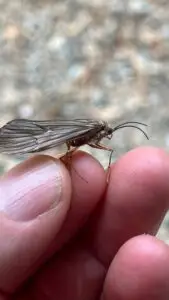
October Caddis on North Fork Yuba River

The October Caddis are on the North Yuba


Fly fishing for October Caddis on the North Fork of the Yuba River is an exciting pursuit that draws anglers eager to match the hatch of this large, distinctive bug. The October Caddis, also known as Dicosmoecus, emerges in the fall and is a significant food source for trout during this time. The North Fork of the Yuba, with its clear, fast-moving water and diverse structure of riffles, runs, and pools, provides an ideal habitat for these caddisflies. Fishing here during October can be highly productive, as trout become aggressive feeders, taking advantage of the abundant caddis emerging from the riverbed.

The best strategy for targeting trout during the October Caddis hatch involves using dry flies or emergers that imitate the adult or pupal stages of the caddis. Large, orange-bodied dry flies like a size 8-10 Elk Hair Caddis or Stimulator can be effective, especially during the afternoon when adult caddis are active. In addition, fishing a nymph pattern, such as a beadhead caddis pupa, through deeper runs can yield strikes, as trout often feed on caddis pupae before they emerge. Anglers should also pay attention to the river’s flow and light conditions, as trout are often more responsive during low light periods, such as early morning or dusk. This combination of tactics can make for an unforgettable day of fly fishing during the October Caddis hatch on the Yuba River.

October Caddis on North Fork Yuba River

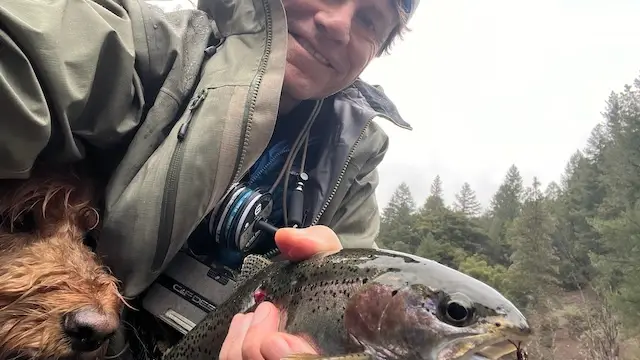
Now is the time for larger fish on the North Fork of the Yuba

It may be cold but there are some large rainbow trout in the North Yuba right now.  You’ll have the best luck with a streamer or nymph in the deeper water.  If you can get on the water before the snow melts and increases the flows, you’ll find some larger fish that have come into the river from Bullards Bar Reservoir. 

Bring layers and be ready for the big temperature swings.

Right now, there is not bait fishing allowed and you can’t keep any of your catch.  This river is well patrolled by Game Wardens.  You can get your fishing licence online or at the hardware store in Downieville. 

Large trout on the North Fork Yuba River