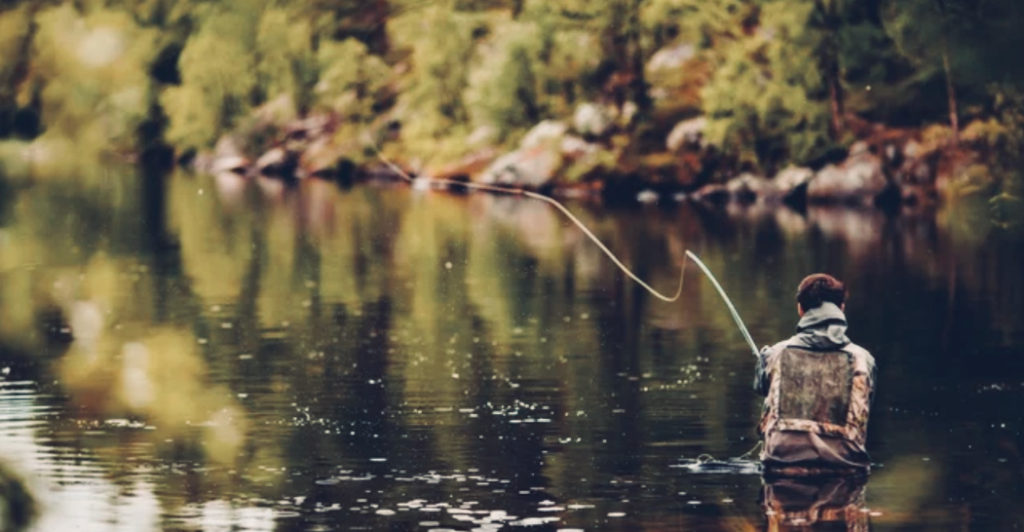

Spring is a season of renewal and rebirth, and for many fly fishermen, it’s also the start of the fishing season. After a long winter of tying flies and dreaming of warmer days, anglers are finally able to get back on the water and chase after their favorite fish species. However, early spring fly fishing can be challenging, as the water is still cold and the fish are often sluggish. In this guide, we’ll cover everything you need to know to have a successful and enjoyable early spring fly fishing experience.
Introduction to Fly Fishing in Spring
Spring is a great time to get out and fly fish. The weather is starting to warm up, the days are getting longer, and the fish are starting to become more active. However, early spring fly fishing can be a bit challenging, as the water is still cold and the fish are often slow-moving. Additionally, the weather can be unpredictable, with sudden rain showers, cold snaps, and windy conditions. But with the right gear, techniques, and mindset, you can still have a great time on the water and catch some fish.
Understanding Early Spring Fly Fishing Techniques
Early spring fly fishing requires different techniques than other times of the year. The water is still cold, which means the fish are less active and less likely to chase after fast-moving flies. You’ll need to slow down your retrieve and use smaller, more subtle flies that mimic the insects and other prey that the fish are feeding on. Additionally, you’ll want to focus on fishing deeper and slower, as the fish will be holding in deeper water where the temperature is more consistent.
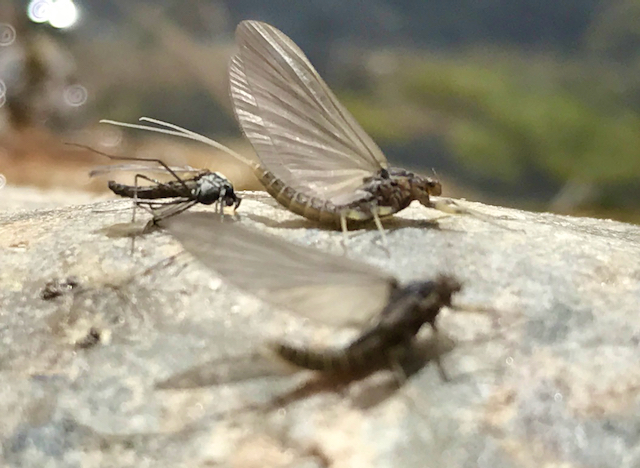
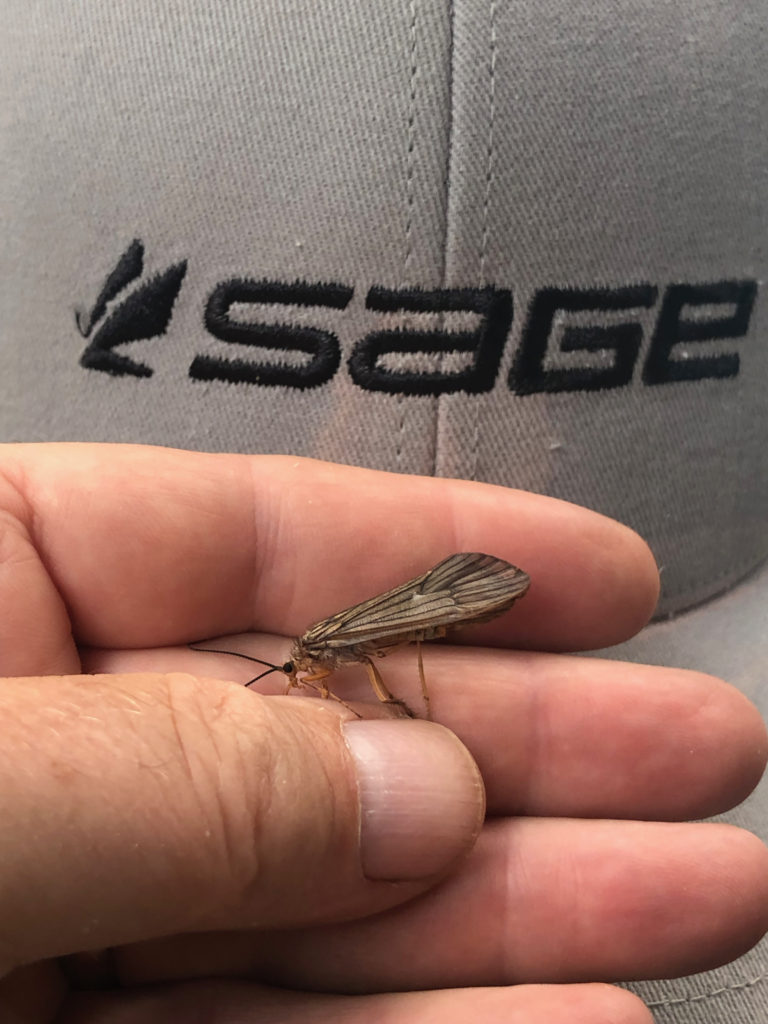
One effective technique for early spring fly fishing is nymphing. Nymphs are fly patterns that imitate the immature stages of aquatic insects, such as mayflies, caddisflies, and stoneflies. These insects are a major food source for trout and other fish, especially in the early spring when they are starting to emerge from their winter hibernation. By fishing nymphs deep and slow, you can entice even the most lethargic fish to strike.
Another effective technique is streamer fishing. Streamers are large, often brightly colored flies that imitate baitfish, leeches, or other prey that the fish are feeding on. They are often fished on sinking lines, allowing you to fish them deep and slow. Streamers are especially effective in early spring when the fish are starting to become more active and are looking for larger prey.
Essential Gear for Spring Fly Fishing
To have a successful early spring fly fishing experience, you’ll need the right gear. Here are some essentials to consider:
Waders
Waders are a must-have for early spring fly fishing. They will keep you dry and warm in the cold water, allowing you to stay on the water longer and fish more effectively. Look for waders with built-in insulation or layering options so you can adjust your warmth level depending on the weather.
Boots
Boots are another essential piece of gear for early spring fly fishing. Look for boots with rubber soles or studded soles to provide traction on slippery rocks and streambeds. You’ll also want to consider the type of terrain you’ll be fishing in and choose boots with appropriate ankle support.
Fly Rod
A fly rod is the most important piece of gear for any fly fisherman. For early spring fly fishing, you’ll want to choose a rod with a medium to fast action that is capable of casting the small, lightweight flies you’ll be using. Look for a rod in the 4-6 weight range, depending on the size of the fish you’ll be targeting.
Fly Reel
Your fly reel should match the weight of your fly rod and have a smooth drag system to help you fight and land fish. Look for a reel with a large arbor to help you quickly retrieve line and fight fish more effectively.
Fly Line
Your fly line should match your rod and reel and have a taper that matches the type of fishing you’ll be doing. For early spring fly fishing, a weight-forward floating line is usually the best choice. You may also want to consider adding a sinking tip or full sinking line to your arsenal for fishing deep.
Flies
Choosing the right flies for early spring fly fishing is crucial. You’ll want to focus on small, subtle patterns that mimic the insects and other prey that the fish are feeding on. Some effective patterns to try include midges, nymphs, and small streamers.
Choosing the Right Flies for Early Spring
Choosing the right flies for early spring fly fishing can be a bit tricky, as the insects and other prey that the fish are feeding on will vary depending on the location, water temperature, and other factors. However, there are a few general patterns that tend to work well in early spring.
Midge Patterns
Midges are small, delicate insects that hatch throughout the year, but are especially important in the early spring when other insects are still dormant. Look for midge patterns in sizes 18-24, and fish them deep and slow.
Nymph Patterns
Nymphs are the immature stages of aquatic insects, such as mayflies, caddisflies, and stoneflies. These insects are a major food source for trout and other fish, especially in the early spring when they are starting to emerge from their winter hibernation. Look for nymph patterns in sizes 12-18, and fish them deep and slow.
Streamer Patterns
Streamers are large, often brightly colored flies that imitate baitfish, leeches, or other prey that the fish are feeding on. They are often fished on sinking lines, allowing you to fish them deep and slow. Streamers are especially effective in early spring when the fish are starting to become more active and are looking for larger prey.
Finding the Right Location for Early Spring Fly Fishing
Finding the right location for early spring fly fishing can be a bit challenging, as the water temperature and fish behavior can vary significantly from one location to another. However, there are a few general tips to keep in mind.
Look for Slow-Moving Water
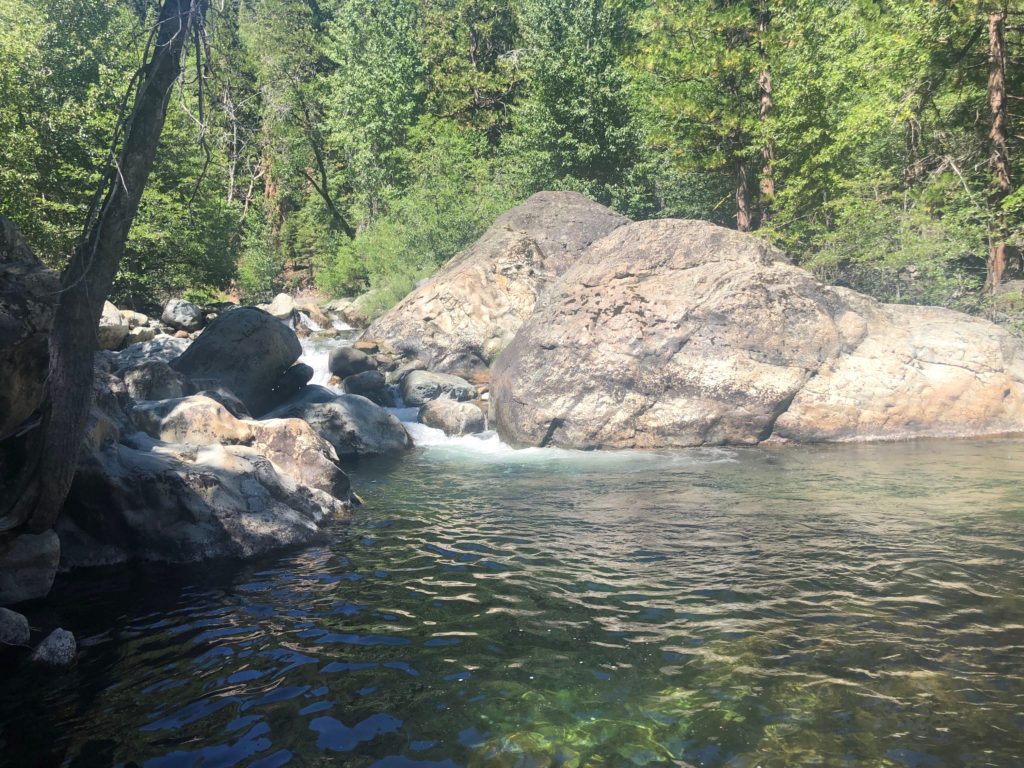
In early spring, the water is still cold, which means the fish are less active and less likely to chase after fast-moving prey. Look for slow-moving water, such as pools, eddies, and backwaters, where the fish can conserve energy and wait for food to come to them.
Focus on Deeper Water
Fish will often hold in deeper water in the early spring, where the temperature is more consistent and the current is less strong. Look for deep holes, runs, and channels where the fish can find refuge from the cold water and wait for food to come to them.
Check Local Hatch Charts
Different insects hatch at different times of the year, and knowing what insects are present in the water can help you choose the right flies and fishing techniques. Check local hatch charts or ask local anglers for advice on what insects are hatching in the early spring. Take a look at the North Yuba Hatch Chart
Tips for Successful Early Spring Fly Fishing
Here are some additional tips to keep in mind for successful early spring fly fishing:
Be Patient
Early spring fly fishing can be slow, and it may take some time to find the fish and figure out what they’re feeding on. Be patient and persistent, and don’t be afraid to change flies and techniques if you’re not having success.
Stay Warm and Dry
The water is still cold in the early spring, so it’s important to stay warm and dry. Wear appropriate clothing and gear, and take frequent breaks to warm up if needed.
Watch the Weather
The weather can be unpredictable in the early spring, so be prepared for sudden rain showers, cold snaps, and windy conditions. Keep an eye on the forecast and plan accordingly.
Safety Considerations for Spring Fly Fishing
Safety should always be a top priority when fly fishing, and this is especially true in the early spring when the water is still cold and the weather can be unpredictable. Here are some safety considerations to keep in mind:
Wear a Life Jacket
Wearing a life jacket can save your life in the event of an accident or unexpected cold-water immersion. Make sure your life jacket fits properly and is appropriate for the type of fishing you’ll be doing.
Use A Wading Staff
Wading staffs can help you maintain your balance and footing in slippery or fast-moving water. Consider using a wading staff, especially if you’re fishing alone or in challenging conditions.
Avoid High Water
High water can be dangerous and unpredictable, so avoid fishing in high water conditions. Check local stream gauges or talk to local anglers to get an idea of the water levels and conditions.
Fly Fishing Etiquette in Early Spring
Fly fishing etiquette is important year-round, but it’s especially important in the early spring when the water is still cold and the fish are less active. Here are some general etiquette guidelines to keep in mind:
Respect Other Anglers
Be respectful of other anglers on the water. Give them plenty of space and avoid fishing too close to them.
Don’t Crowd the Fish
Fish are easily spooked in the early spring, so avoid crowding them or casting too close to their holding areas.
Practice Catch and Release
Early spring is a vulnerable time for fish, as they are still recovering from the stress of winter. Consider practicing catch and release, and handle fish gently and quickly to minimize stress and harm.
Fly Fishing Conservation in Early Spring
Fly fishing conservation is important year-round, but it’s especially important in the early spring when the water is still cold and the fish are less active. Here are some conservation tips to keep in mind:
Use Barbless Hooks
Barbless hooks are easier to remove and cause less harm to fish, making them a great choice for catch and release fishing.
Don’t Leave Trash Behind
Pack out all your trash and dispose of it properly. Leave the area cleaner than you found it.
Respect Wildlife
Respect the wildlife in the area, and avoid disturbing or harassing them. Be aware of nesting birds and other sensitive areas.
Conclusion – Spring into Action with These Early Spring Fly Fishing Tips
Early spring fly fishing can be challenging, but it can also be incredibly rewarding. With the right gear, techniques, and mindset, you can have a great time on the water and catch some fish. Remember to be patient, stay warm and dry, and practice good etiquette and conservation. Spring is a season of renewal and rebirth, and there’s no better way to celebrate it than by getting out on the water and fly fishing.