Stonefly facts

Stone fly

From Orvis:

Insect Facts: The Family Stone


On this common species (Agnetina capitata), you can see the clear segmentation, gills, and the stonefly’s distinctive profile.
Photo by Bob Henricks, licensed under the Creative Commons Attribution-Share Alike 2.0 Generic license

Fly fishing is a sport that often defines itself by the minute scale of the patterns that anglers present to finicky trout, and it’s not unusual to hear an “expert” brag about his success casting size 24 or 26 midges on tiny tippets. But at the other end of the scale are the stoneflies (order Plecoptera), a group of insects prized for their sheer bulk, which dwarfs that of most mayflies and caddisflies. A turned-over a rock on a freestone stream can yield several species of insect larvae, but stoneflies will immediately stand out because they are often several times larger than anything else. Imitations of these outsize larvae are favorites of anglers who believe that “big flies equal big fish,” as well as for those fishing during high water.

What’s in a Name?

The common name “stonefly” is almost certainly a reference to the kinds of streams in which the larvae of many species are found—freestone rivers that feature rocky substrate and well-oxygenated, clean water. It makes sense that the order’s common name should be derived from the most common habitat of the nymphs, since many stoneflies exist in the larval stage from one to three years and their discarded nymphal shucks are often found on stones in midstream or along the bank. The Latin name Plecoptera comes from the Ancient Greek for “braided wings,” and is based on the way the four heavily veined wings of the adult lie atop one another along the insect’s back. Strange that the insect should be named for its wings, since the large insects are such clumsy fliers.

Life History and Habitat

There are approximately 3,500 species of stoneflies worldwide, and they are widespread, found on every continent except Antarctica. In North America, there are close to 600 species, ranging from the diminutive slender winter stonefly (family Capniidae) to the monstrous Western salmonfly (Pteronarcys californica), whose larvae can grow to longer than two inches.


The Western salmonfly is a clumsy flier and a big meal for a trout.
Photo by Phil Monahan

Taxonomists usually divide stoneflies into two suborders: Euholognatha, which includes four families in North America, generally hatch more heavily in winter and spring; and Systellognatha, of which there are five families in North America, hatch in summer. Of the former group, the ones that fly fishers will best recognize include slender winter stonefly and early brown stonefly (Strophopteryx fasciata). Systellognatha includes the giant black stonefly (P. dorsata) of the East and Midwest, and the classic Western salmonfly and golden stoneflies (Family Perlidae).

The stonefly life cycle involves an incomplete metamorphosis, which means that there is no pupal stage, and the nymphs look much like the adults. In general, the larger the species, the longer larval development takes, with some species spending three years in this stage and molting more than 20 times. (The stages between molts are called “instars.”) When it’s time to hatch into winged adults, most stoneflies migrate to the bank and climb out of the water before transforming; they do not hatch on the water’s surface, like most species of mayflies and caddisflies. This is one reason that nymph imitations are more popular among fly fishers than patterns that mimic the adults. Most of the time, adults are available to trout only when they are blown onto the water—which is fairly often, given their poor flying skills—and during egg-laying.

Because many Plecoptera nymphs get oxygen from the water via filamentous gills, they are intolerant of pollution. In fact, the presence of a healthy stonefly population is seen as an indicator of good water quality. This is somewhat ironic, since stoneflies are closely related to cockroaches, which are seen as evidence of filth. Although most species prefer swift well-oxygenated water, there are species that inhabit the leaf litter at the bottom of slow-moving stretches and even a few whose larvae live on land in wet environments.


The Skwala stonefly is one of the first to hatch in the spring throughout the West.
Photo by Bob Henricks, licensed under the Creative Commons Attribution-Share Alike 2.0 Generic license

Patterns and Tactics

According to W. Patrick McCafferty’s Aquatic Entomology, the oldest artificial fly on record was an imitation of a British stonefly adult. While today there are many popular adult patterns—the Stimulator chief among them—that number is dwarfed by the nymph options available to anglers: from close imitations, such as the Kauffman Stone, to more suggestive patterns, such as Pat’s Rubberlegs. Even a small Woolly Bugger, fished on a dead-drift can serve as an effective stonefly pattern.

The one common denominator among stonefly-nymph patterns is that they are usually heavy, incorporating weighted wire into the body or a metal bead (or two). Since stonely larvae are crawlers—and relatively poor swimmers—they stay close to the bottom, which is where your fly needs to be. Before emergence, many species migrate toward shore, and a nymph imitation crawled or swing from deeper water to the shallows can take trout or bass keying on this migration.

Link to original article

Hot Spotting can ruin a river

Hot spotting grab-n-grin

Hot Spotting or Spot Burning…the process of spreading information (generally on social media) that drives undue people to crowd and over-fish a certain spot.  It’s not cool.  Why?  Overfishing can move the fishery out of balance, causing it to crash.  Excess foot traffic can damage an area to the point of failure.  The IG crowd that shows up may not have anything in mind except catching the big Brown Trout.  

Hot spotting grab-n-grin

The guy in the above photo is posting a grab-n-grin photo on Instagram every two or three days.  The problem is, he is clearly stating that the fish are all coming from the same three mile stretch of river that is an hours drive from the Bay Area.

Why would he do this?  He’s a guide and he makes his living by selling people on the hope of catching a 20 inch rainbow.  Ironically, he presents himself as a steward of the river and is quick to condemn people for fishing over spawning fish- while he guides people over spawning fish on the Lower Yuba.

Is posting about The North Yuba Hot Spotting?  No.   The river access is 38 miles long and I never mention anything that would get someone closer than 8 miles of what I’m talking about.  The North Yuba gets very little fishing pressure per mile.  If it were anywhere near capacity, I’d go dark.

Winter fishing report on the North Yuba

North Fork Yuba River below Downieville

The lack of snow and rain in January has left us with some pretty amazingly beautiful days.  Of course, if this trend continues through March, we’re looking at another grim Summer.  Fingers crossed for some percip.

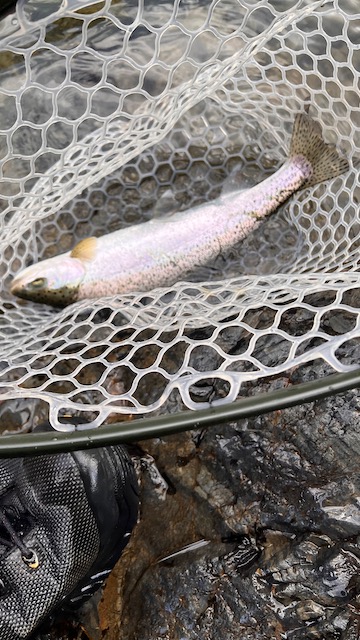
I got on the river on Friday and fished for a couple of hours mid-day.  I landed several really nice rainbows on a euronymphing rig.  There here were some Blue Winged Olive Mayflys flying but not a single rise was seen.  These fishing are hanging low in the softer water.

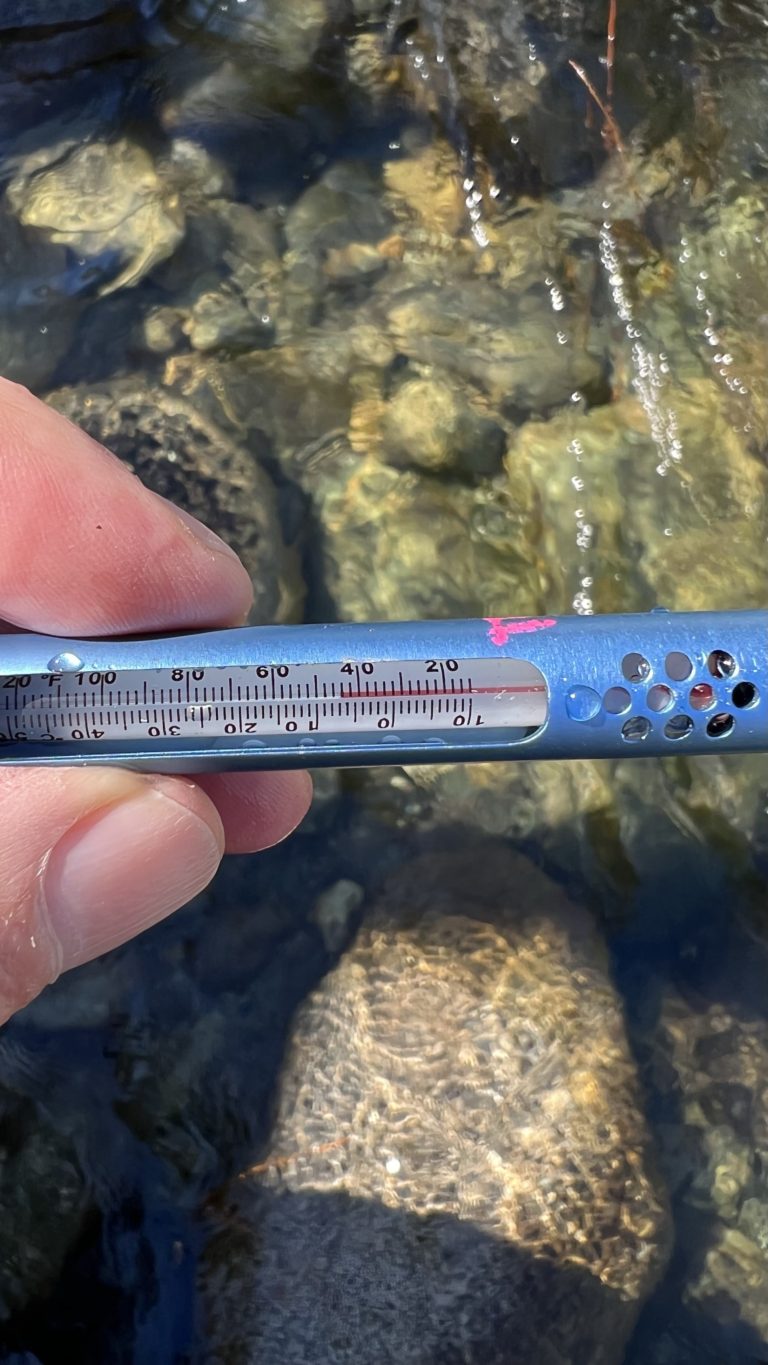
The water is cold for the North Yuba.  Being cold blooded, this leaves these fish with lower energy reserves so you need to get your fly right to them.  According the the late Jon Baiocchi, these fish don’t really turn on until the water hits 52 degrees.

Remember, at this time of year, the North Yuba is catch and release only and you need to use barbless hooks.  The game warden patrols the river with an eye out for folks breaking the rules.  

North Fork Yuba River below Downieville water temperature

And now for something a little different

Helgramite

First off, they bite.

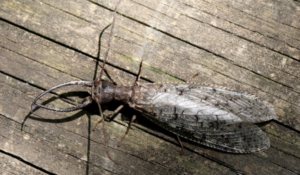
The Hellgrammite is a nasty aquatic inset that lives in the North Yuba.  They are not as common as the Big Three: Caddis, Mayfly, and Stonefly, but they are in there and the fish know it.  They can be confused with a large stonefly at first.  If you see a couple of big pinchers coming off the head- it’s a hellgrammite. 

The hellgrammite is a big meal for a hungry trout.  If you’re after the big fish, this is your key to success.  A dark brown Wolly Bugger with crystal flash is a pretty close imitation.  Dead drift these in deeper pools where there is some structure for larger fish to hide.

The hellgrammite can live as an aquatic for one to three year before becoming an adult.  Their presence is a good indicator of a clean and healthy river.

The adult of this is the Dobson Fly is a large flying insect- the look like giant moths with large pincers.  These can be found around porch lights in the Summer months.

Dobson Fly

Fall on the North Fork Yuba

husband and wife fishing North Fork of the Yuba River in Fall

Taking your spouse fishing in stunning beauty and solitude can be the perfect date.  The North Yuba is a great place to introduce your partner to the joy of fly fishing.  You’ll have success in hooking a fish while being surrounded by the most amazing river scenery in California.

Be prepared to hike a bit.  Bring some good snacks and something to drink.  Slow down and soak it in.

Short cast to the heads of pools are sure to produce strikes. 

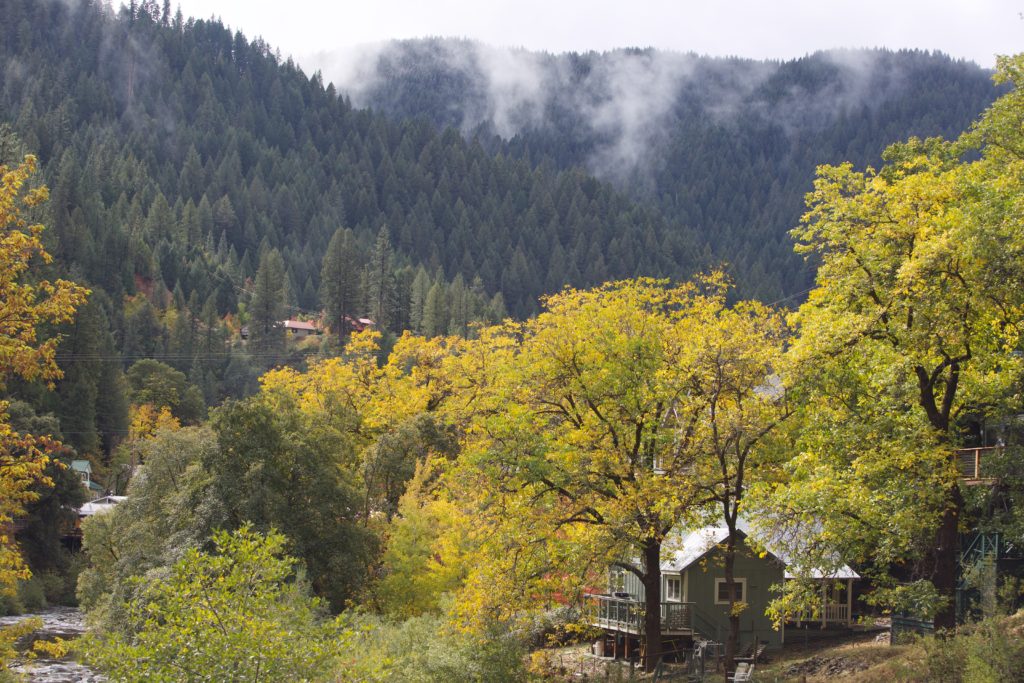
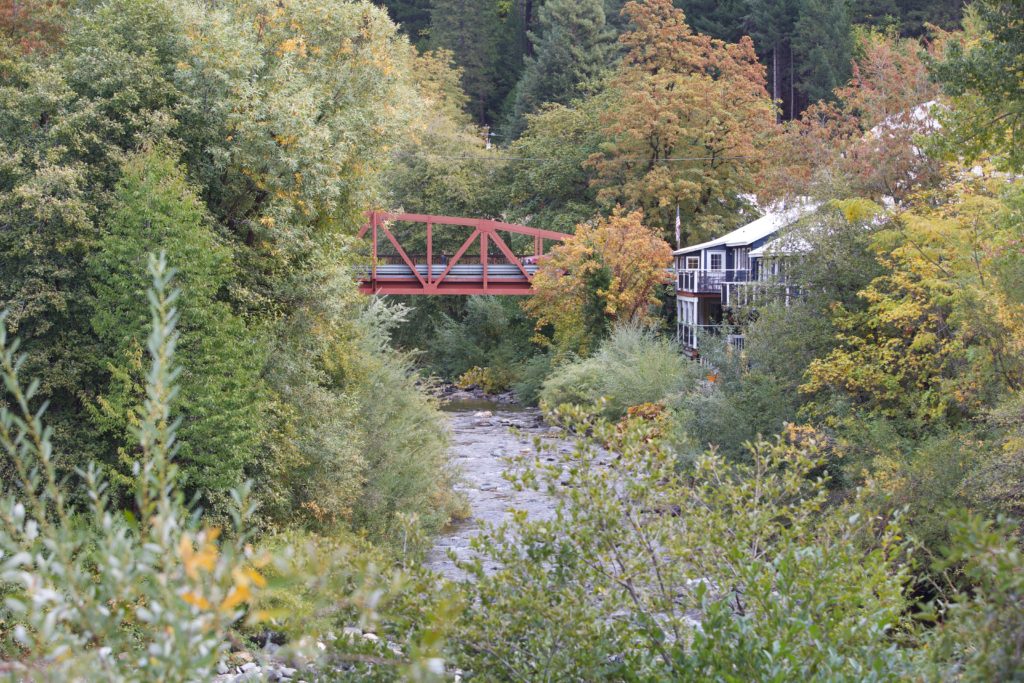
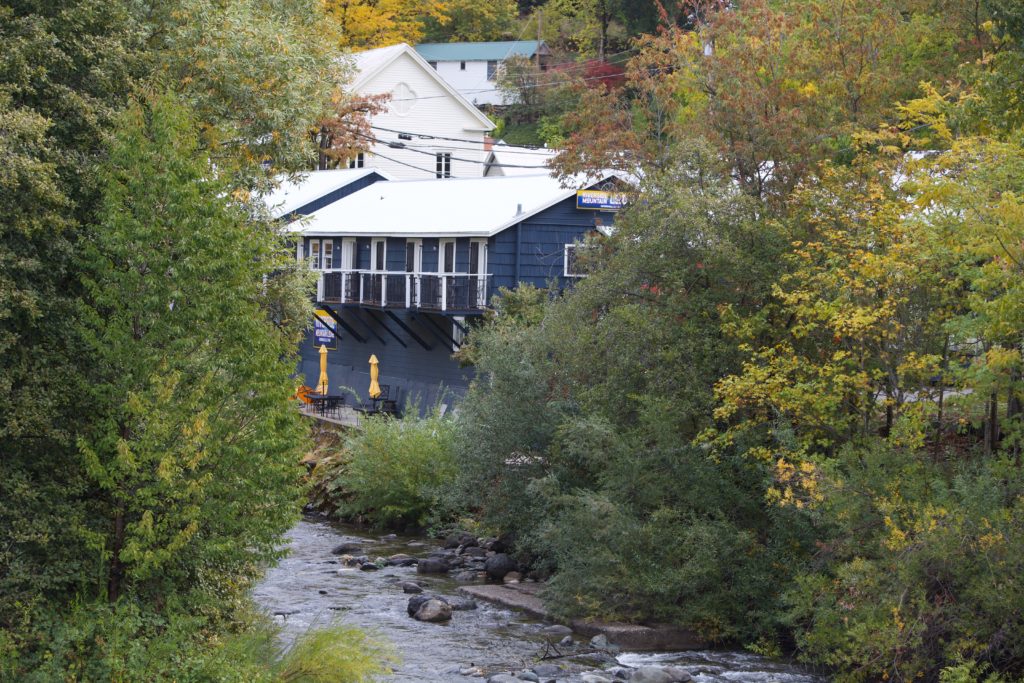
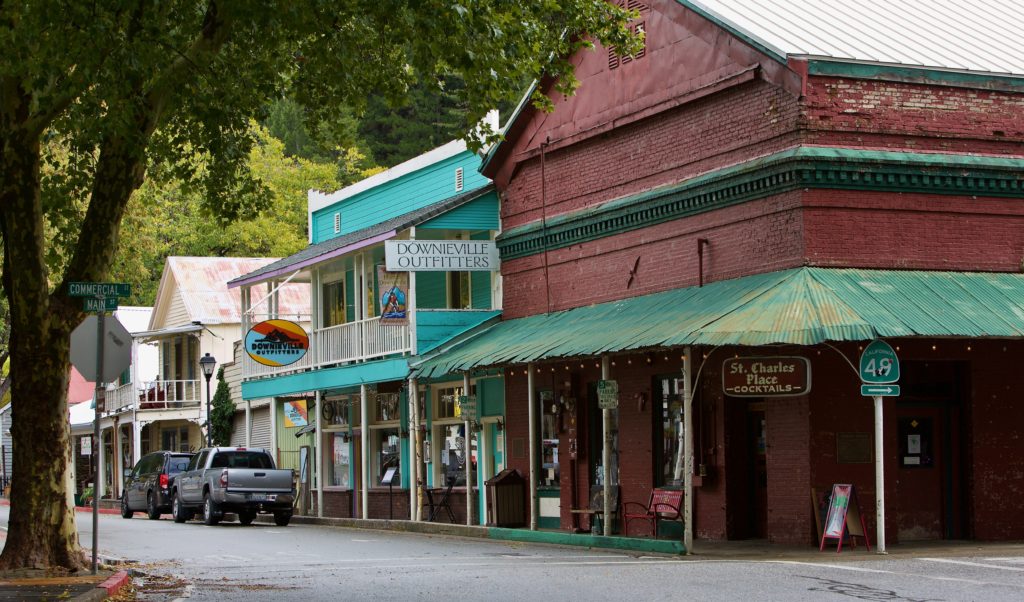
Took a walk around Downieville on a cool Fall morning

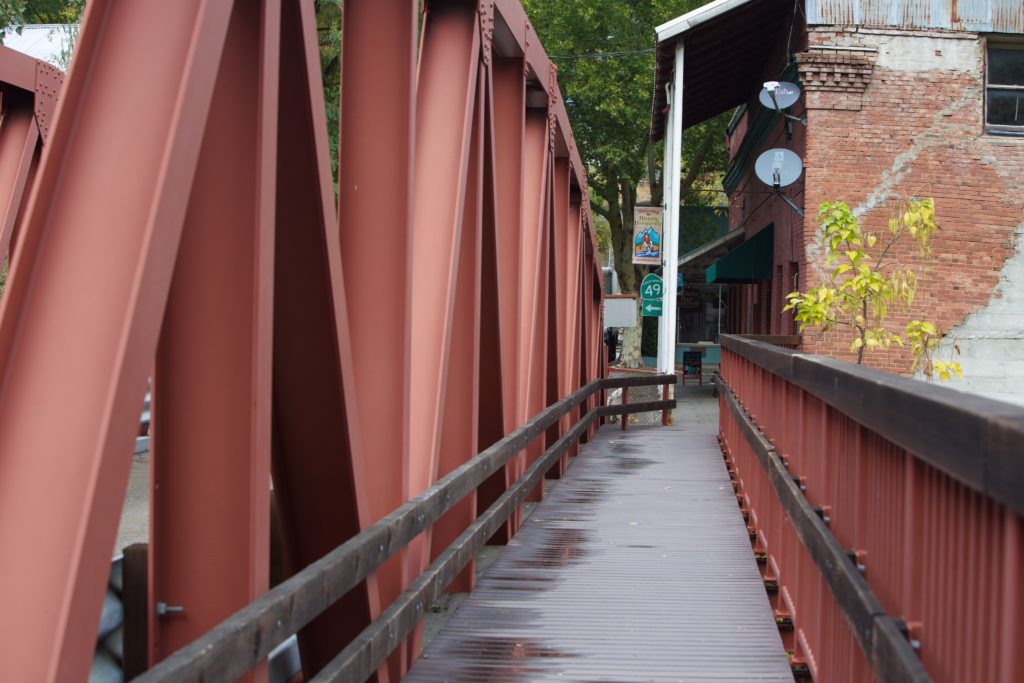
Downieville corner

I took an hour and strolled around Downieville with my camera. Fall is an amazing time to be in our Sierra mountains.

Downieville corner

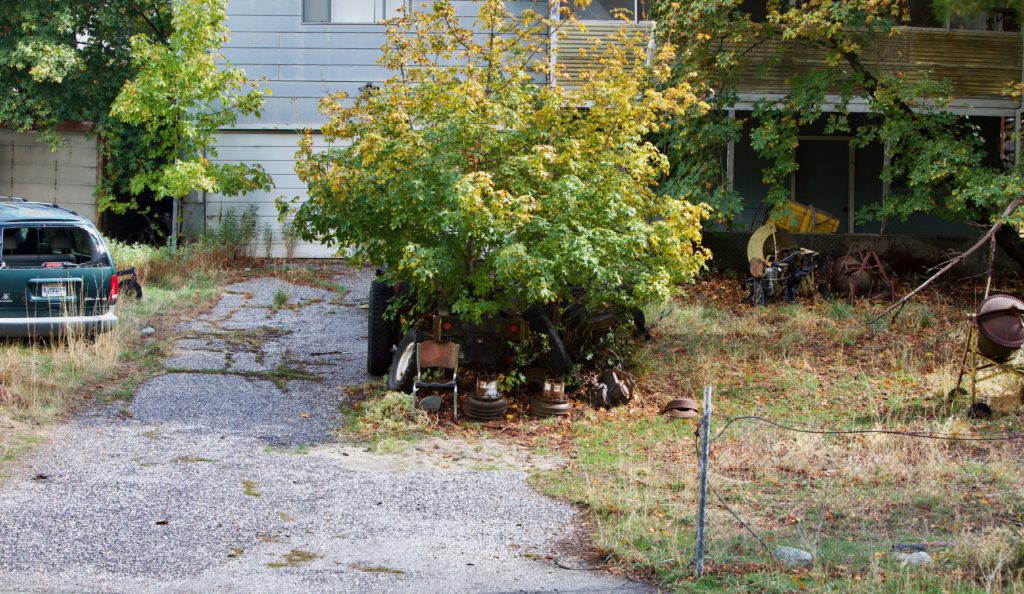
Over the past five years, I’ve watched nature slowly reposes this front yard.  That Maple tree is growing through a semi-truck that’s been sitting on the driveway for years.  Across the street from this house is a beautiful section of river that holds wild trout.  Looks like an opportunity.

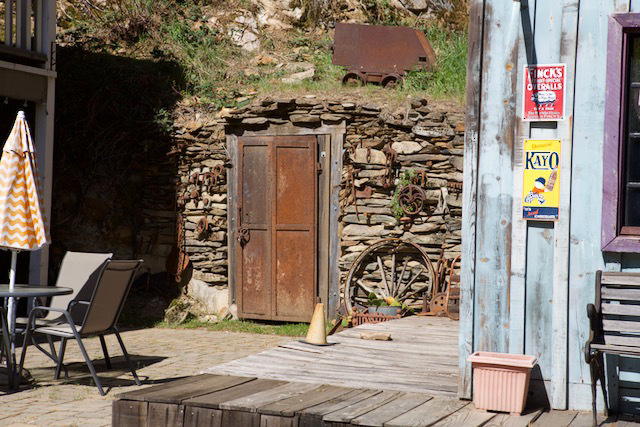
Downieville old mine door

Check out this great film on the Mountain Biking in Downieville

Downieville Downhill

This is a wonderful film about the town of Downieville and it’s main attraction- the epic single track trails in the area.  This film focuses on the famous Downieville Downhill.  I’ve been mountain biking since the early days of dirt bike parts on bikes.  This is still the best riding that I’ve experienced.  Get some!

The video was put together by Outsider MTB.  You can check out their other videos here.  The video has some sponsorship from The Carriage House Inn, a great spot to stay in town.  It’s literally 100′ from the two shuttle services and sits right on the river. 

Fall Fishing

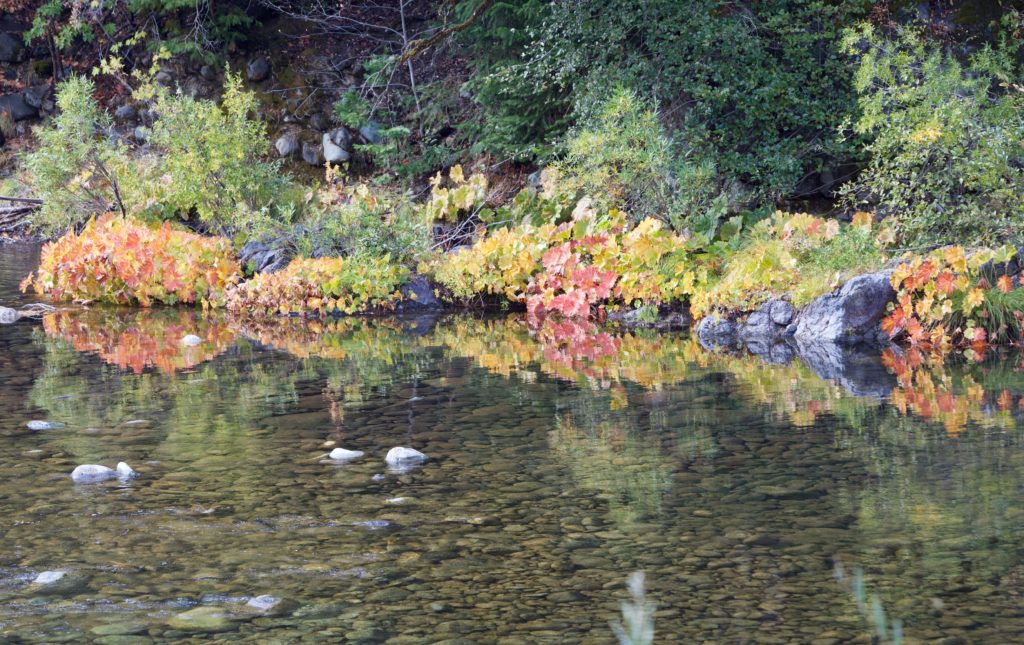
Fall Color North Yuba River

It’s Fall and it’s wonderful.  The color switch has been thrown.  The Maples, Aspen, Dogwoods, and others are reflecting the colors of Fall.  The trees took a cue from the cold air and have consumed that chlorophyll. 

The fishing…it’s okay.  The water is super low and the big guys have not entered the system yet.   

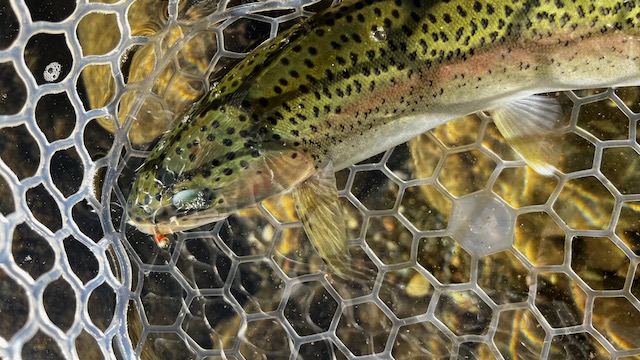
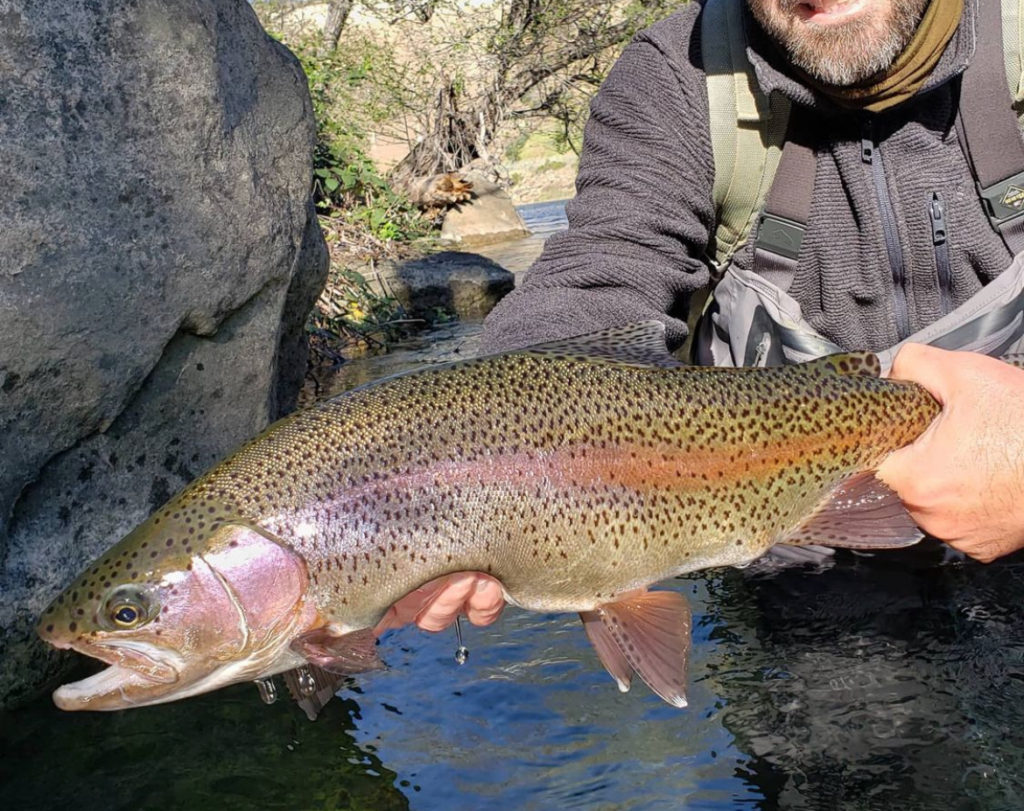
North Yuba Rainbow

A Waltz Worm with a hotspot has been very productive in moving water.  Look for plunge pools and work the soft water at the edge of the flow.

The River is closed

smokey north yuba river near sierra city

The Forest Service is closing 9 NorCal national forest, including Plumas and Tahoe.  The closure is Aug 22 through September 6.  It’s a fire safety issue.  Postpone that fishing trip.  Be Safe!

Fishing Report

Smoke on the Yuba

It’s not good. Give your lungs a break and go to the coast.

smokey north yuba river near sierra city

The smoke seems to have put the fish down.  The flows are really low.  Don’t bother until the smoke clears. 

This fire season has already hurt so many people- truly sad.  

Downieville air quality
Downieville ash on jeep from fires in sierra

An AQI of 509 is really unhealthy.  The ash on the hood of the jeep tells a story.